Drones are everywhere these days, and let’s be honest: they can be pretty intimidating. The tech lingo surrounding them makes it feel like you need a degree just to figure out what all these devices do.
I get it. This article cuts through that confusion. I’ve spent years breaking down complex tech, and I promise to make it simple for you.
Here, you’ll gain a solid grasp of the important components, types, and operational principles of drones.
I’ll share drone gadget takeaways that help you to understand how these devices work and why they matter, whether you’re a hobbyist or just curious.
By the end, you won’t just know what a drone is; you’ll be equipped with practical knowledge that transforms how you think about them.
Let’s dive in and demystify the world of drones together.
What Exactly is a Drone Device?
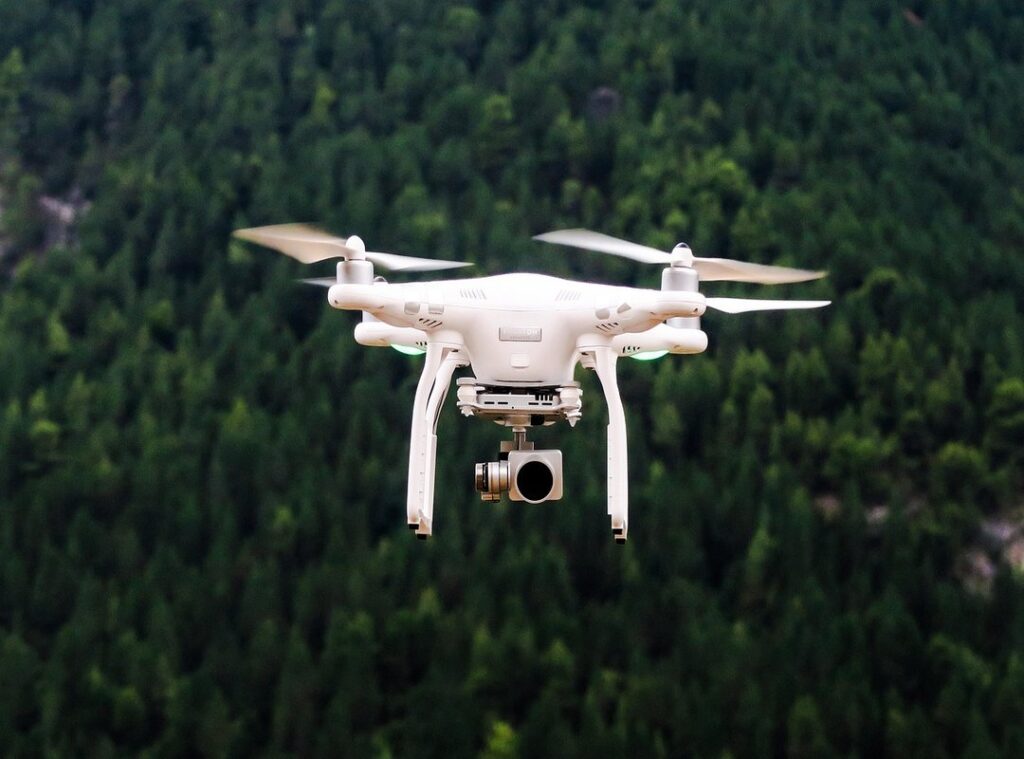
Ever seen a drone device buzzing overhead and wondered what’s inside that little flying robot? It’s an Unmanned Aerial Vehicle (UAV), or sometimes called an Unmanned Aircraft System (UAS). These gadgets, once the stuff of sci-fi, are now everywhere.
They can be remotely controlled or fly on their own using pre-programmed flight plans.
Originally, drones had military roots. Picture those old movies with mysterious military drones zipping about. Now, they’re delivering your online shopping and capturing epic aerial shots at weddings.
Quite the journey into civilian life, right? They’re not your average remote-controlled planes. Drones come with advanced autonomy, sensors, and control systems.
So what can drones do, actually? Think observation, data collection, delivery, and interaction. All without a human pilot onboard.
I remember using a drone to survey a storm-damaged roof. Saved me time and a dangerous climb.
And here’s a tidbit you might like: just as drones have progressed, so have rise foldable phones. Both are examples of tech pushing boundaries. Fascinating how these gadgets morph into essentials, isn’t it?
Drones Unpacked: Important Components Explained
Let’s break down what makes a drone tick. First off, the frame. It’s the skeleton of the drone, providing structure and protection.
Mostly made from carbon fiber or plastic, the frame impacts durability and weight. Obviously, lighter means more airtime, but sturdiness is key too. Ever seen a drone fall apart mid-air?
Not pretty.
Now, onto motors and propellers. They generate thrust and lift. Here, you’ve got brushed and brushless motors.
Brushless gives you more efficiency and longer life. Propeller designs vary, affecting speed and control.
Next up: the flight controller, essentially the drone’s brain. It processes inputs from sensors and the pilot to keep things stable. Without it, you’re just throwing expensive tech into the sky, hoping for magic.
Batteries. LiPo is the go-to, offering power but with safety risks (don’t puncture them!). They determine your flight time.
Can’t forget the GPS module. It’s your navigation ace, helping with position holding and autonomous flight modes.
Cameras and sensors like accelerometers, gyroscopes, and barometers contribute to stability. And don’t miss object detection for dodging unforeseen obstacles.
Finally, the transmitter/receiver system. This is how you, the pilot, chat with the drone. It’s important for telemetry data and ensuring your drone doesn’t decide to fly solo.
And that, my friends, is your drone gadget takeaways.
Drone Gadget Takeaways: Choosing Your Aerial Sidekick
Let’s break down the types of drones. And trust me, the choice isn’t as simple as picking a new phone case.
Multi-Rotor Drones like quadcopters are your go-to if you want to hover and capture stunning photos. They’re stable, easy to fly, and perfect for wedding photography. Ever seen those aerial videos of concerts? Probably a multi-rotor at work. They’re the trusty (oops, did I mention not to use that cliche?) of drones.
Then there’s the Fixed-Wing Drones. Think of them as the airplanes of the drone world. With longer flight times and a wider range, they’re best for mapping and large-scale surveillance.
Ideal for farmers wanting to survey huge fields without walking miles. It’s like having a bird’s-eye view without wings.
Not as popular but worth mentioning are Single-Rotor Drones. They look like helicopters and can lift heavy loads. Perfect for industrial tasks or carrying specialized equipment.
And don’t forget the hybrid VTOL drones. These guys combine the best of both multi-rotors and fixed-wings. Versatile and new, they handle diverse tasks with ease.
Not your everyday flying gadget, but they have their niche.
For more info, check out this breakdown. You’ll see them in action.
Got a task? There’s a drone for that.
How Drones Fly: The Tech Behind the Magic
When I first got into drones, I was floored by their simplicity and complexity wrapped in one. Drone gadget takeaways start with the basic principles of flight: lift, thrust, drag, and weight. Sounds simple, right? Propellers generate lift by pushing air downward, thanks to the magical Bernoulli principle.
But just having lift won’t cut it.
Stabilization Systems
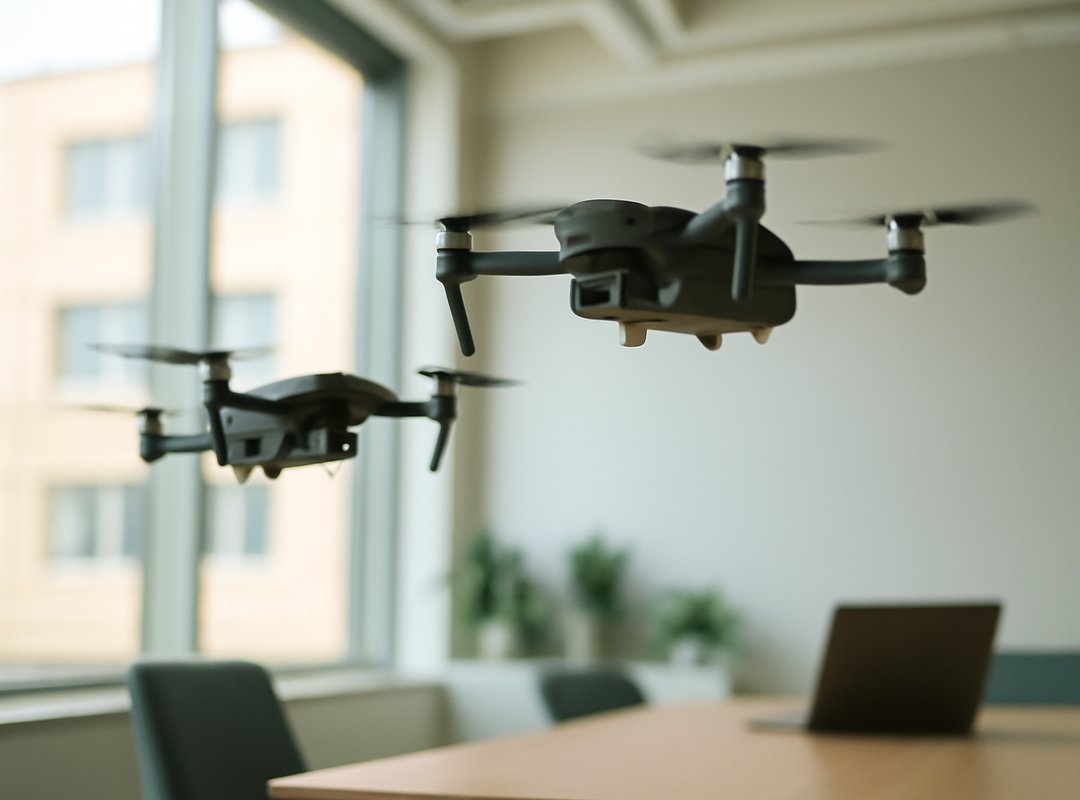
These little machines have brains. They use accelerometers and gyroscopes to keep steady (especially when the wind decides to play). It’s the flight controller that processes this data to maintain balance.
Ever wonder how they just hover there? That’s their secret.
Manual control is another beast. Some folks love the hands-on experience of using a remote. Autopilot?
It’s like setting a destination in your GPS and cruising. Both have their charms.
Data transmission lets you see through the drone’s eyes. FPV (first person view) gives you that bird’s eye vibe. Real-time telemetry?
It keeps you updated on flight status and battery life, which is key when you’re miles away from home base. Want to know more about tech’s impact on our lives? Check out this guide.
Beyond the Basics: Advanced Drone Features
When it comes to drones, everyone’s got their favorite features. Me? I’m all about obstacle avoidance systems.
These aren’t just fancy words. Sensors like vision and infrared help drones dodge obstacles. This makes it safer for us and, let’s face it, way cooler.
Then you’ve got intelligent flight modes. Ever tried ‘Follow Me’? It’s like having a personal paparazzo.
Want creativity? Use ‘Point of Interest’ or ‘ActiveTrack.’ These modes aren’t just for fun; they automate tasks that would be a nightmare manually.
Now, payload capacity. Some drones can carry special cameras or even delivery items. This changes everything about their design.
If you think a drone’s just a flying camera, think again.
Software integration is another game-changer. Apps and flight planning tools extend what drones can do. They’re not just toys; they’re part of an entire space.
Let’s talk battery life versus flight time. A delicate dance. Battery tech, weight, flight conditions (all) these affect how long you stay airborne.
Always a trade-off.
Lastly, range. It’s about more than just distance. Signal strength and interference impact it big time.
So, what’s your top feature? Dive into these drone gadget takeaways and see what makes your list.
Your Drone Journey Starts Here
You’ve tackled the confusion around drone technology. Now you have clarity and knowledge. By breaking down components, types, and operational principles, I made drone gadget takeaways accessible to you.
So what does that mean for you? It means you’re ready to choose the right drone or understand its capabilities. Don’t stop here.
Dive deeper into this changing tech world. Embrace your newfound confidence.
If you want to stay ahead in this fast-paced space, keep exploring and learning. Take action now. Start your drone adventure today and watch your skills soar.
 Technology Research Analyst
Orynthara Dwell is responsible for uncovering the latest developments and emerging trends in the tech world. As a Technology Research Analyst, she dives deep into innovations, providing the foundation for accurate and insightful content. Her research supports articles on evolving technologies, industry shifts, and future possibilities. Orynthara has a strong analytical mindset, allowing her to identify meaningful patterns and breakthroughs. She works behind the scenes to ensure that every insight shared is backed by reliable data and thorough investigation. Her contributions help keep DTRGS Tech Facts ahead of the curve. With a passion for discovery, she brings depth and credibility to the platform’s content.
Technology Research Analyst
Orynthara Dwell is responsible for uncovering the latest developments and emerging trends in the tech world. As a Technology Research Analyst, she dives deep into innovations, providing the foundation for accurate and insightful content. Her research supports articles on evolving technologies, industry shifts, and future possibilities. Orynthara has a strong analytical mindset, allowing her to identify meaningful patterns and breakthroughs. She works behind the scenes to ensure that every insight shared is backed by reliable data and thorough investigation. Her contributions help keep DTRGS Tech Facts ahead of the curve. With a passion for discovery, she brings depth and credibility to the platform’s content.