
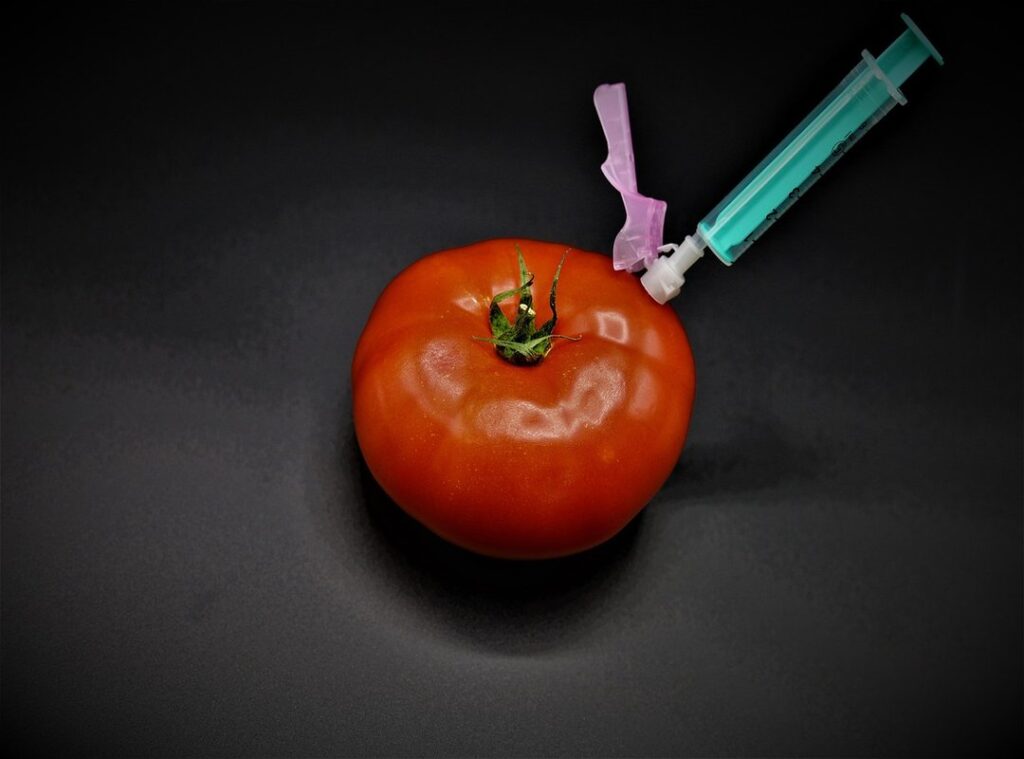
Genetic modification sparks intense debate. You’ve seen the headlines. It’s polarizing, often driven by fear and misinformation.
I want to cut through all that noise. This article aims to clarify what genetic modification really is, how it’s used, and what it means for us.
Many discussions oversimplify or misrepresent GM. This leads to confusion and misunderstanding. I’m here to provide genetic engineering takeaways that matter.
I’ve dug into the science behind it and explored its real-world applications. You deserve accurate information to inform your opinions.
Trust me, I’ll break down complex topics into digestible pieces. Together, we’ll get through this key technological frontier.
By the end, you’ll have a solid grasp of genetic modification. You’ll be ready to engage thoughtfully in discussions that matter. Let’s dive in and demystify this important subject.
Genetic Modification: Unraveling Its DNA
Genetic modification (GM) is straightforward: it’s the direct tweaking of an organism’s DNA using biotech. Unlike traditional breeding, which is a bit like throwing darts while blindfolded, GM is all about precision. You target specific genes to achieve desired traits.
This isn’t guesswork; it’s science.
Let’s break it down further. DNA is the blueprint of life, made up of genes sitting snugly on chromosomes. These genes tell cells what proteins to make, and proteins do pretty much everything in a cell.
Without understanding this, GM is just alphabet soup.
Now, the history. GM isn’t new. It’s evolved since the 1950s when scientists first played with DNA.
By the 1970s, they’d created the first GMOs. Recombinant DNA technology became a thing, and the rest is history.
But what about terms like ‘transgenic’ and ‘cisgenic’? Transgenic means genes from another species. Cisgenic is more local.
Genes from the same species. Genome editing is the precise snip-snip action on DNA. For more tech stuff, this guide dives deeper.
Here’s a pro tip: next time you’re at a dinner party, drop some genetic engineering takeaways. You’ll be the smartest person in the room.
CRISPR and Beyond: Gene Editing Revolution
CRISPR-Cas9 sounds like something out of a sci-fi movie, doesn’t it? But it’s not. It’s a real tool straight from nature.
Bacteria have been using CRISPR to fend off viruses (like) a microbial security system. We humans just figured out how to use it for our own ends.
Here’s the simple breakdown. CRISPR’s guide RNA acts like a GPS for genes, directing the Cas9 enzyme to precise DNA locations. Cas9 then makes a cut.
What happens next is up to the cell: repair the break using non-homologous end joining (NHEJ) or homology-directed repair (HDR).
Sounds complex? Maybe. But CRISPR’s accuracy and adaptability beat older methods hands down.
Remember Zinc Finger Nucleases (ZFNs) and TALENs? They were the pioneers. Key for their time, but clunkier and costlier.
Did you know other techniques exist too? Agrobacterium-mediated transformation sneaks genes into plants. Viral vectors do the same for animals, like a genetic mail service.
CRISPR isn’t just another tool in the genetic engineering toolkit. It’s a game-changer. And you’re here for these genetic engineering takeaways, right?
Stay tuned. Science is moving fast, and we’re just getting started.
Genetic Modification: A Real-World Power Play
Genetic modification is everywhere. In agriculture, it’s all about enhancing crop traits. Ever heard of Bt crops?
They’re genetically tweaked to fend off pests like champs. Roundup Ready crops take it further with herbicide tolerance. Golden Rice?
It’s a real game-changer with enhanced Vitamin A content.
Medicine isn’t left out either. Gene therapy is a beacon for genetic diseases like cystic fibrosis and sickle cell anemia. And let’s not forget genetically engineered vaccines.
They’re paving the way for disease prevention. Insulin production in bioreactors? That’s another feather in the cap of genetic engineering takeaways.
In research and industry, genetically modified organisms are indispensable. They help us understand human diseases better. Plus, they fuel biofuel production and aid in bioremediation.
Even novel materials owe their existence to these organisms.
What about environmental conservation? Genetic modification steps in here too. Disease-resistant trees and enhanced bioremediation agents are just the tip of the iceberg.
It’s a tool with massive potential.
But wait, there’s more to consider. The ethics ai decision making debate is key when dealing with such tech. We can’t ignore the moral implications.
What do you think? Are we ready for the responsibility that comes with this power?
Genetic Engineering: Navigating the Ethical Maze
Genetic modification isn’t just science fiction anymore. It’s here, and it’s stirring up a storm of ethical debates. Are we “playing God” by altering genes?
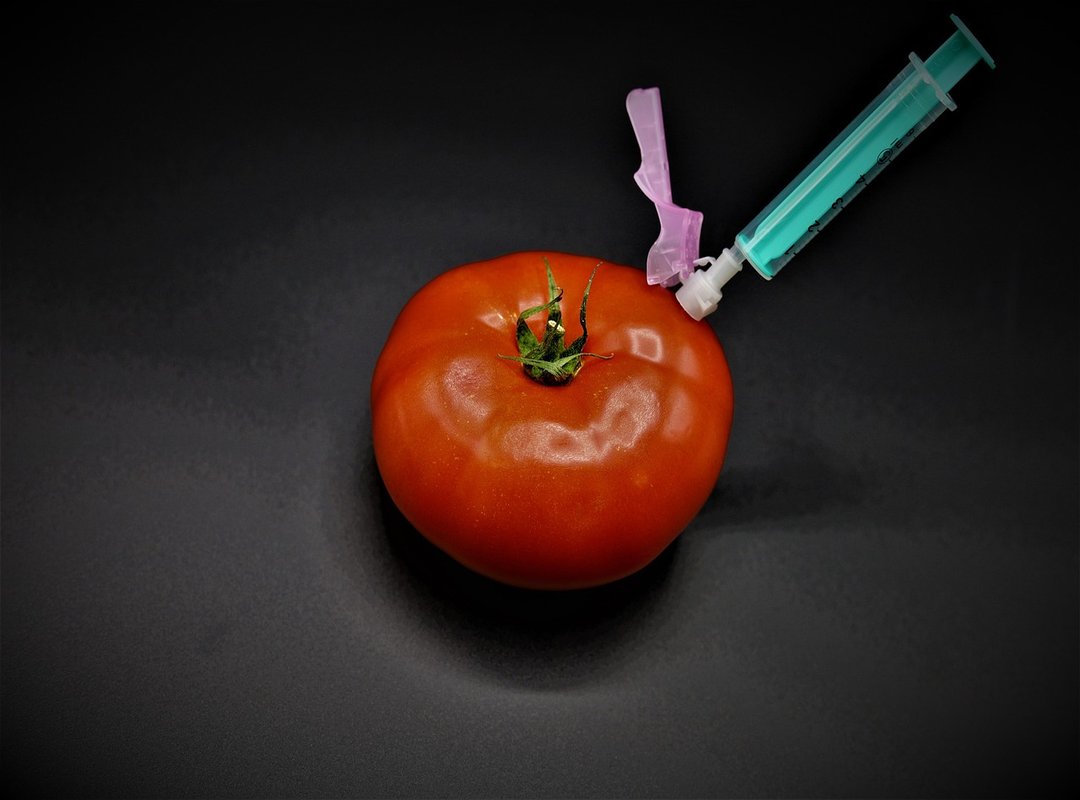
It’s a fair question. And let’s talk about “designer babies.” Do we really want a world where you can pick your kid’s traits off a menu?
Equitable access to these technologies is another beast entirely. Who gets to decide who benefits from genetic advances? The societal impact is huge.
People are wary of GMOs, and mandatory labeling is a hot topic. But what about the small farmers? Are they getting crushed under the weight of global food systems?
Safety isn’t just a buzzword here. The potential for allergenicity, gene transfer, and off-target effects are real concerns. And the environment?
Gene flow could mess with biodiversity, creating super pests or weeds.
Regulations are in place, sure, like the FDA and USDA in the U.S., but are they enough? Europe has the EFSA, but are these bodies keeping up with rapid advances? For more on the subject, check out these genetic engineering takeaways.
It’s a tangled web, and we’re all caught in it.
Genetic Futures: Trends and Predictions
Genetic modification is no longer just a science fiction concept. It’s here, and it’s transforming the way we approach medicine and agriculture. People are buzzing about synthetic biology and gene drives (these) are the tools pushing the boundaries of what’s possible.
Imagine designing new biological systems or ensuring specific genes spread through populations. That’s where we’re heading.
Personalized medicine might sound like a buzzword, but it’s a game-changer. Each person’s genetic blueprint could soon guide their medical treatment. Think about the potential for tackling diseases we once thought unbeatable.
Then there’s genetic engineering takeaways that point towards crops absorbing more carbon. Climate change mitigation could be a reality, not just a dream. Bio-manufacturing is expanding too, enhancing productivity in ways we can barely fathom.
But, let’s be honest, it’s not all smooth sailing. The ethical implications are enormous. We need open public discussions and strict policies.
Without them, we risk going off the ethical rails. Are we ready for that?
Ultimately, responsible innovation in genetic modification could redefine health, food security, and how we deal with environmental challenges. The future isn’t just bright. It’s genetically engineered.
Join the Genetic Modification Dialogue
I tackled the complexities of genetic modification. This isn’t just a simple topic; it’s subtle and often contentious. You need a solid grasp of the facts to get through discussions effectively.
Understanding the science behind genetic modification is your first step. It empowers you to engage thoughtfully in this dialogue.
So, are you ready to dive deeper? I urge you to seek out reliable sources and join public conversations about this evolving field.
Consider the ethical implications of genetic engineering too. This is about shaping the future responsibly.
Participate in the discussion and stay informed. Your voice matters.
Explore genetic engineering takeaways and take action today. Together, we can influence the path of technology.
 Senior Content Strategist
Uryxara Holt plays a key role in shaping the voice and structure of DTRGS Tech Facts. As a Senior Content Strategist, she ensures that every topic—from innovative gadgets to future predictions—is presented in a clear and engaging way. Her work focuses on aligning content with audience interests while maintaining a strong editorial identity. Uryxara has a talent for transforming complex ideas into compelling narratives that resonate with readers. She collaborates closely with the editorial team to plan, develop, and refine content strategies. Her attention to detail and creative direction help maintain consistency across the platform. Through her work, she ensures the content remains both informative and impactful.
Senior Content Strategist
Uryxara Holt plays a key role in shaping the voice and structure of DTRGS Tech Facts. As a Senior Content Strategist, she ensures that every topic—from innovative gadgets to future predictions—is presented in a clear and engaging way. Her work focuses on aligning content with audience interests while maintaining a strong editorial identity. Uryxara has a talent for transforming complex ideas into compelling narratives that resonate with readers. She collaborates closely with the editorial team to plan, develop, and refine content strategies. Her attention to detail and creative direction help maintain consistency across the platform. Through her work, she ensures the content remains both informative and impactful.