
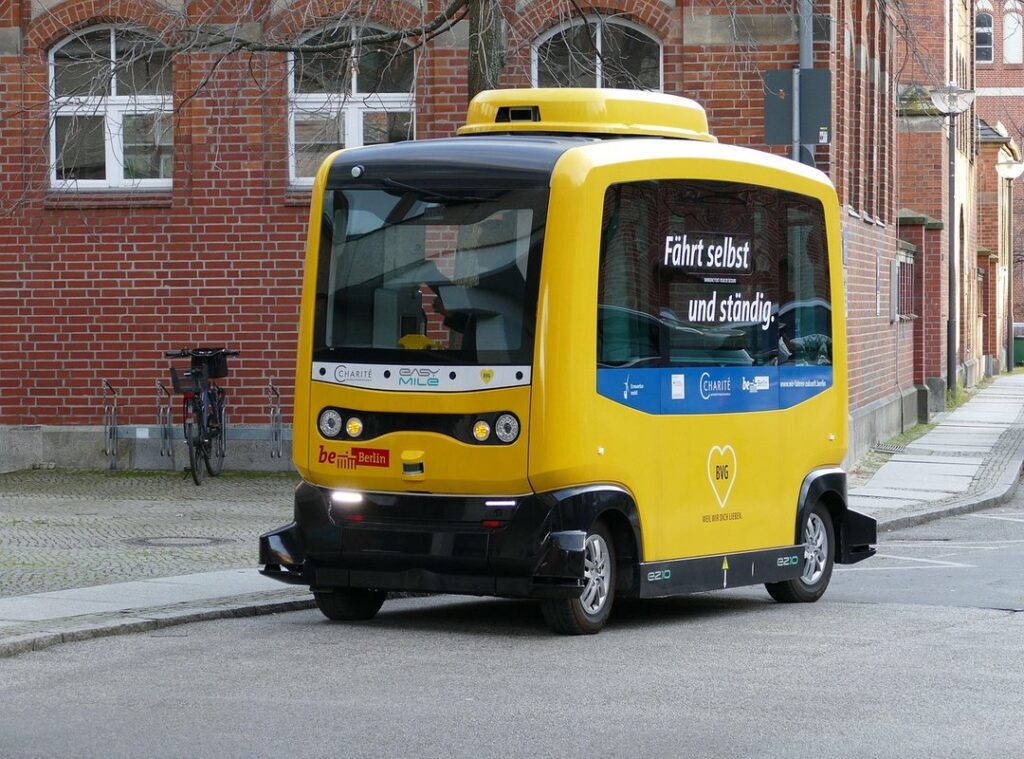
Self-driving technology is evolving fast. It’s exciting, but let’s be honest. It can also be overwhelming.
We’re bombarded with information about autonomous vehicle discoveries, and it’s hard to know what really matters.
I’ve spent a lot of time exploring this complex space. I know the frustration of sifting through technical jargon without a clear understanding.
That’s where I come in. I aim to break down the core innovations behind self-driving vehicles and make them accessible.
I’ll demystify these advancements, so you can grasp what’s driving the future of transportation.
You deserve clarity in a field that seems to change every day.
With my takeaways, you won’t just be keeping up; you’ll understand the implications of these technologies.
I’ve followed the latest trends and developments closely, so you can trust that my analysis is grounded in real knowledge and experience.
By the end of this article, you’ll have a solid grasp of the self-driving innovations shaping our world. Let’s get started.
The AI Brain: Sensor Fusion & Decision-Making
Ever wonder how autonomous vehicles see the world? It’s all about sensor fusion. LiDAR, radar, cameras, and ultrasonic sensors work together, creating a real-time map of the environment.
This combo gives the vehicle a full understanding of its surroundings. Think of it as the eyes and ears of the car, constantly gathering data.
AI algorithms, ever-advancing, crunch this data. They interpret complex scenarios, almost like a brain processing inputs. It’s impressive how these systems can “see” and make sense of what’s happening around them.
What about decision-making? deep learning steps in. The AI uses historical data combined with real-time inputs to predict what others might do. It anticipates actions, making driving safer and more responsive.
Neural networks are key players here, constantly learning and refining. They aim for more human-like reasoning. Imagine them mastering diverse driving conditions, one scenario at a time.
These autonomous vehicle discoveries are reshaping our roads. Curious about breakthroughs in another field? Check out the latest breakthroughs renewable energy.
Why all this fuss about AI in cars? Because it’s not just about getting from A to B. It’s about transforming transportation.
And maybe, just maybe, saving lives.
Beyond the Driver: The Future of V2X Communication
V2X is where cars get seriously smart. We’re talking about vehicle-to-everything communication. A car isn’t just a machine anymore; it’s a chatty neighbor.
V2V, V2I, and V2P are part of this network.
You might wonder, what’s the point? Imagine your car talking to a traffic light or a pedestrian’s phone. It’s all about sharing data like speed and location in real time.
This tech isn’t science fiction. It’s happening. And it changes everything.
Real-world benefits are huge. Think of improved safety: your car warns you about a hidden hazard before you even see it. Traffic flow gets smoother and less congested.
That’s not just a convenience; it’s a game-changer.
What about 5G? It’s the backbone here. Without it, instant data exchange wouldn’t be possible.
Low-latency and high-bandwidth connections are key. They let cars to act with collective intelligence.
Want to dive deeper into autonomous vehicle discoveries? Check out how these advancements are revolutionizing self-driving cars. It’s not just about the tech.
It’s about reshaping how we move through the world. Fast, and connected. Welcome to the future of driving.
Powering Autonomy: The Future of Driving
When we talk about autonomous vehicle discoveries, it’s clear the game has changed. These vehicles need immense computing power. We’re not talking about your typical processors.
We’re diving into specialized AI chips like NVIDIA Drive and Mobileye. These processors handle a ridiculous amount of data, right there in the car.
Why is this necessary? Simple. Edge computing.
Processing data directly in the vehicle means faster decisions. No lag. Imagine relying on the cloud for every move.
The delay could be dangerous. So, modern chips are important for making real-time, safe choices. It’s about driving smarter, not harder.
And let’s not forget software architectures. They’re like the backbone. Fail-safe designs make sure that if one system fails, another kicks in.
This redundancy is key for uninterrupted operation. No one wants a car that stops thinking midway.
Lastly, over-the-air (OTA) updates are a game changer. Updating software without going to a shop? Yes, please.
It’s about more than convenience. It’s about staying secure and up-to-date. Continuous improvements happen slowly, but they’re key for safety.
This is the future folks. And it’s here.
Trust in the Driver’s Seat: Navigating the Future
Designing for trust is key in the world of autonomous vehicle discoveries. We all want to feel safe, right? That’s the goal with Human-Machine Interface (HMI) design.

When switching between autonomous and manual modes, displays should speak to us like a friendly guide, not a confusing map. Cars are being engineered to communicate their intentions clearly, reducing anxiety. Imagine a car that winks at you before changing lanes.
But there’s more at stake. Ethical considerations in AI decision-making are huge. Can we trust these algorithms to make the right choices in complex moral dilemmas?
It’s like asking a robot to choose between two bad outcomes on the road. Always prioritizing safety and societal well-being is the aim here.
Cybersecurity is the silent guardian. Protecting these systems from external threats is non-negotiable. Nobody wants their car hacked, especially when personal data is involved.
Integrity in vehicle operations is paramount.
Curious about how these advancements connect to other tech realms? You might want to check out our takeaways on Exploring The Metaverse. The future is unfolding, and it’s not just about cars.
Conquering Chaos: Self-Driving Tech in Tough Terrain
Ever driven through a blizzard or a dust storm? I have, and it’s no picnic. But get this: self-driving technology is tackling these challenges head-on. Advancements in sensor tech are game-changers.
Heated LiDAR units and advanced radar systems are built to withstand the harshest conditions. Rain, snow, fog (these) used to be nightmares for autonomous vehicles.
AI models are getting smarter too. They’re trained on massive datasets that cover extreme weather and tricky terrains. So, when you wonder if autonomous vehicle discoveries are worth the hype, I say absolutely.
These systems are not just for smooth highways anymore.
Picture this: self-driving cars on construction sites or delivery routes. Even in agriculture, these vehicles are proving their worth. I remember seeing a prototype navigating a muddy field without breaking a sweat.
The potential is enormous.
The tech is evolving, but it’s not just about overcoming obstacles. It’s about redefining what’s possible. We’re pushing boundaries, and it’s exhilarating.
So, next time you’re caught in a storm, imagine an autonomous vehicle calmly cruising through. It’s not science fiction. It’s happening now.
Are you ready to embrace it?
Embracing Tomorrow’s Tech
I’ve shown you the fascinating innovations in self-driving vehicles. It’s clear we’re racing against rapid technological change. Why does this matter?
Understanding these autonomous vehicle discoveries equips you to appreciate their potential and societal impact.
If you want to stay ahead in this game, you need to keep exploring. The space is shifting fast. Knowledge is your best defense against feeling lost.
So, dive deeper with us. Stay informed on the cutting edge of technology as it reshapes our lives. The future is here, and it’s time to engage.
Don’t just watch the evolution; be part of it.
 Founder & Chief Technology Editor