
Biometric technology is everywhere. You open up your phone with your face or fingerprint. You pay for groceries with a quick scan.
But how many of us really understand what’s happening behind the scenes? I see a lot of curiosity and even confusion about this tech.
Many people use biometrics daily but don’t grasp how it works or what risks come with it. That’s a problem. I’m committed to making complex tech topics clear and accessible.
This article will be your guide, diving into biometric technology takeaways that matter. I draw on my experience dissecting emerging technologies, ensuring you get well-researched information that cuts through the noise.
You can trust that this isn’t just surface-level chatter. I aim to help you get through the evolving tech space with practical takeaways. Let’s explore this key area of modern tech together and demystify how it impacts our lives.
Biometrics: More Than Just Fingerprints
Biometric technology is fascinating. It’s all about identifying who you are using unique biological or behavioral characteristics. Think fingerprints and facial features.
These are physical biometrics. They capture what you look like. Then there’s your voice or how you walk (behavioral) biometrics.
These capture how you act.
The core of biometric tech? Converting these traits into digital templates. That means no raw images or sounds stored, just data points.
It’s like translating you into a digital language (sounds sci-fi, right?). The real magic lies in its security. Unlike passwords or PINs, which you can forget or lose, biometrics rely on something you are.
That’s a game-changer.
Today, with everyone being paranoid about data breaches, biometrics offer a more secure way to verify identity. Ever wondered why your phone unlocks with your face or fingerprint? It’s not just cool tech; it’s about keeping your info safe.
For those curious about how tech shapes our future, you might want to read more about genetic engineering evolution. It’s a wild ride in the tech world right now. Stay curious.
How Biometric Systems Tick: A Peek Inside
Ever wonder how biometric systems work? They’re not just magic. Let me walk you through the basics.
First up, Enrollment. This is where it all begins. You’ve got to capture that initial biometric data.
Think scanning a fingerprint multiple times or recording your voice. The key here is clean, consistent data. Without it, the system’s accuracy goes south.
Next, we move to Feature Extraction and Template Creation. Here’s the deal: your raw data isn’t stored. Instead, unique patterns are extracted and turned into a mathematical algorithm, or a ‘template’.
This template is nearly impossible to reverse-engineer. That’s your security right there.
Now, where do these templates live? Storage options vary. On-device or on a centralized server.
Security measures like encryption and hashing keep those templates safe. It’s a fortress for your data.
to Matching. There are two types: Verification and Identification. Verification is simple: it compares a live scan to one stored template.
Think of unlocking your phone with a fingerprint. Identification is more complex. It matches a live scan against a whole database.
Imagine a surveillance system spotting someone in a crowd. It’s intense.
Sophisticated algorithms and machine learning play a big role here. They boost accuracy and speed in both processes. Without them, biometric technology would be a mess.
These are the biometric technology takeaways that keep systems running smoothly.
So, next time you open up your phone or pass through airport security, you’ll know what’s happening behind the scenes. It’s not magic. It’s technology.
Biometric Tech: Real-World Applications Uncovered
Biometric technology has become a part of our daily lives, whether we realize it or not. So, what are the common types and how do they actually work? Let’s start with physical biometrics.
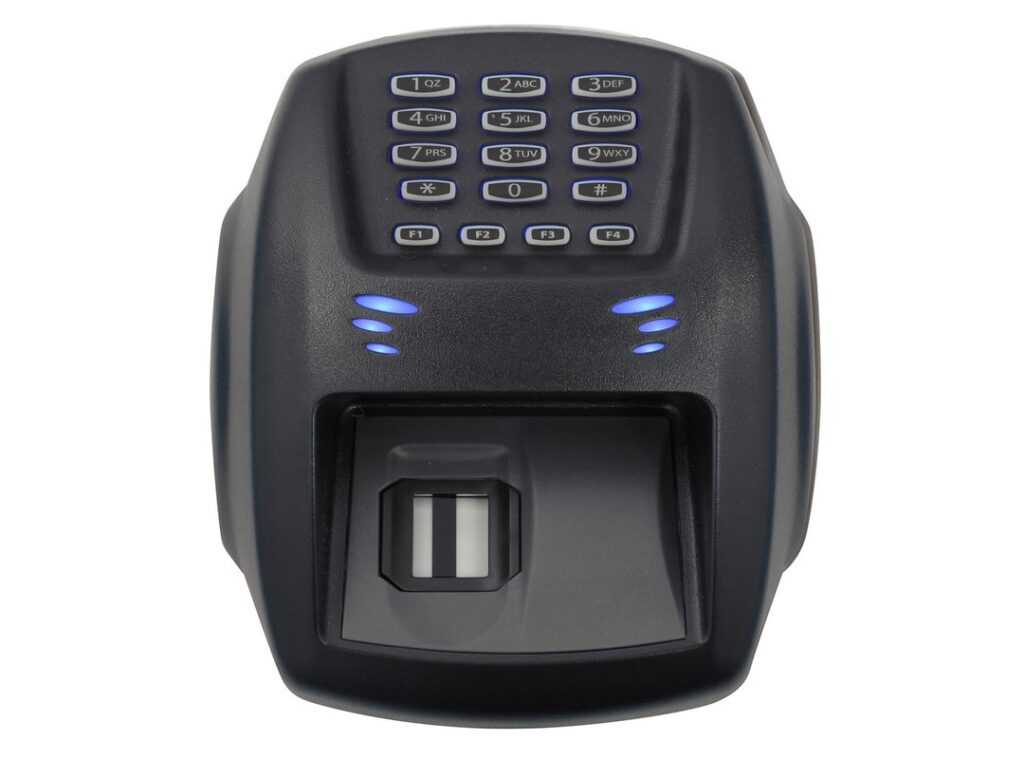
Fingerprint recognition is everywhere. It uses ridge patterns and minutiae points for identification. I see it every day on smartphones and time clocks.
It’s even used at borders.
Facial recognition is another big one. It analyzes unique facial landmarks and distances. Ever wondered how your phone knows it’s you?
That’s how. It’s also used in security surveillance and even social media tagging. But there’s more.
Iris and retinal scans might sound like sci-fi, but they’re real. The iris has unique patterns, while the retina is all about blood vessels. These are used in high-security places like data centers and airports.
Then we have palm and vein recognition. It’s all about the blood vessels beneath your skin. Think ATMs and healthcare systems.
Practical, right?
Now, let’s talk behavioral biometrics. Voice recognition analyzes vocal characteristics like pitch and tone. It’s used for call center authentication and activating smart assistants.
Gait analysis is fascinating. It identifies people by their walking patterns. It’s used in long-range surveillance and even health monitoring.
Finally, there’s keystroke dynamics. It looks at typing rhythm and speed. It’s a subtle but effective way of online authentication and fraud detection.
For more on how this all ties into Cybersecurity Digital Age, check out our takeaways. Biometric technology takeaways are transforming security and everyday interactions.
The Dual Edge: Biometrics’ Perks and Pitfalls
Biometrics are a game-changer. They offer enhanced security that’s hard to beat. Unlike passwords, which anyone can steal or forget, your fingerprint is yours alone.
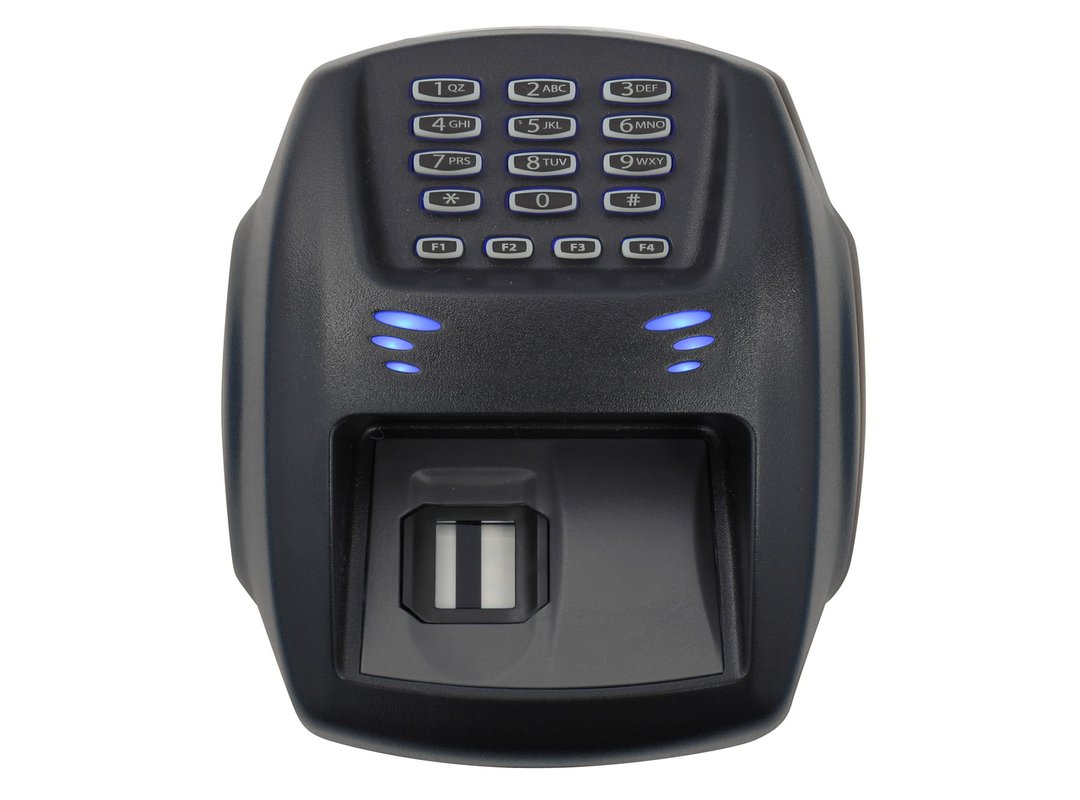
And let’s be honest, remembering complex passwords is a pain. Biometrics provide ease and speed, like touch ID and face open up, making life simpler.
Accuracy is another win. Fraud takes a hit when biometrics come into play, streamlining sectors from banking to healthcare. Non-repudiation is another perk.
Good luck denying your actions if your fingerprint says otherwise.
But hold on, it’s not all sunshine. Privacy concerns loom large. Sensitive data storage isn’t just about safety; it’s about trust.
What if governments or corporations misuse your info? Scary thought. Plus, there’s the risk of biometric data breaches.
Unlike a password, you can’t change your fingerprint once it’s out there.
There’s also the issue of bias. Some systems struggle with diversity, which is just plain unfair. Spoofing is another hurdle.
Ever heard of liveness detection? It’s tricky, often failing against sophisticated attempts. If you’re curious, check out biometrics how do i know who you are for more on this.
Biometric technology takeaways scream promise and peril. Balancing them is the real challenge.
Beyond the Fingerprint: Biometric Evolution
Let’s talk biometrics. The field’s exploding beyond traditional fingerprints. Ever heard of brainwave biometrics?
It’s a thing. So is heartbeat authentication and even odor recognition. Sounds sci-fi, right?
Multimodal biometrics are changing the game by blending methods like face and voice. It’s all about getting more secure. AI and machine learning are beefing up accuracy and speed (and keeping the fakes at bay).
But there’s a catch. Ethics and regulations need to catch up to keep your data safe. Imagine tailored experiences in smart homes and healthcare.
Fascinating, isn’t it? Biometric technology takeaways are redefining personalization.
Your Path to Confidence with Biometrics
You’ve gained biometric technology takeaways that cut through confusion. I know this tech feels daunting, but understanding its mechanics and types helps us approach it confidently. It’s not just about security; it’s about personal privacy and future tech choices.
What will you do with this knowledge? Stay informed about biometric standards and advocate for strong privacy protections. Think critically about where you use biometric authentication in your life.
Your digital future is at stake. Don’t wait. Dive deeper into this world and make informed decisions that protect you.
 Technology Research Analyst
Orynthara Dwell is responsible for uncovering the latest developments and emerging trends in the tech world. As a Technology Research Analyst, she dives deep into innovations, providing the foundation for accurate and insightful content. Her research supports articles on evolving technologies, industry shifts, and future possibilities. Orynthara has a strong analytical mindset, allowing her to identify meaningful patterns and breakthroughs. She works behind the scenes to ensure that every insight shared is backed by reliable data and thorough investigation. Her contributions help keep DTRGS Tech Facts ahead of the curve. With a passion for discovery, she brings depth and credibility to the platform’s content.
Technology Research Analyst
Orynthara Dwell is responsible for uncovering the latest developments and emerging trends in the tech world. As a Technology Research Analyst, she dives deep into innovations, providing the foundation for accurate and insightful content. Her research supports articles on evolving technologies, industry shifts, and future possibilities. Orynthara has a strong analytical mindset, allowing her to identify meaningful patterns and breakthroughs. She works behind the scenes to ensure that every insight shared is backed by reliable data and thorough investigation. Her contributions help keep DTRGS Tech Facts ahead of the curve. With a passion for discovery, she brings depth and credibility to the platform’s content.