

Climate change is a pressing issue. You’re likely wondering what role technology plays in it.
Is it a villain or a hero?
In this article, I will explore the tech climate change impact and break it down for you.
I’ve spent years tracking tech trends and their real-world effects. I know how complex these issues can be. Too often, we hear simple narratives that don’t reflect reality.
Technology contributes to climate change, but it also offers solutions we can’t ignore.
Why is this so important? Because understanding this duality helps us make informed choices.
I will examine the tech industry’s own carbon footprint alongside new solutions for both mitigation and adaptation.
You deserve a full view of how technology interacts with climate change.
This article aims to provide the nuance that’s missing in most discussions.
I’ll arm you with takeaways that challenge conventional thinking.
By the end, you will see technology not just as a problem, but as a potential key to the solutions we need.
Let’s dive into the detailed ways technology shapes our environment.
Innovation’s Carbon Shadow: Tech’s Footprint
Let’s not beat around the bush. Making and ditching tech leaves a carbon footprint we’re still grappling with. Every shiny gadget has a backstory of resource extraction (think rare earth minerals), energy-hungry factories, and e-waste that clutters landfills.
Ever considered the energy spike of a single Google search? It’s small, but Google’s millions of searches pack a punch.
Look at data centers. They’re cities of servers guzzling power to keep the internet humming. Now, add AI training to that mix.
It’s an energy gulp like no other. Cryptocurrency mining? A whole other beast.
Bitcoin alone, with its mammoth energy needs, could light up countries. Don’t even get me started on the tech influence education today.
The rebound effect fascinates me. We make devices more energy-fast, yet somehow, we end up consuming more. Seems counterintuitive, right?
And e-waste? Toxic leaching and inefficient recycling rates show we’re still fumbling there.
Our modern lives thrive on tech, yet the tech climate change impact is undeniable. It’s time to rethink how we innovate. Does your latest gadget justify the environmental toll?
Food for thought.
Tech’s Green Revolution: Powering Change
Renewable energy isn’t just a buzzword. It’s the future. I see tech playing a massive role in this shift, especially with solar and wind becoming more viable.
Remember when solar panels were clunky and inefficient? Now, thanks to tech advancements, they’re sleek and fast. Innovations in battery storage, like lithium-ion and solid-state, have made energy storage more practical.
It’s like watching a sci-fi movie unfold in real life.
Smart grid systems are another game-changer. They improve energy distribution, ensuring less waste and more efficiency. Homes and industries are getting smarter too.
Smart thermostats, LED lighting, and EVs are reducing energy consumption. Even advanced building materials are stepping up. They’re all part of this green tech movement.
But it’s not just about the gadgets. The economic and environmental benefits are undeniable. Transitioning to renewable energy infrastructure?
It’s not just a dream. It’s happening, and it’s key for reducing carbon intensity. Curious about the tech climate change impact?
There’s a lot to unpack there. This shift isn’t just important; it’s necessary. And tech is leading the charge.
We can’t afford to ignore it.
Advanced Mitigation: Carbon Capture & Geoengineering
to the complex world of carbon capture and geoengineering. I know, it sounds like a sci-fi plot, but it’s real. Carbon capture, utilization, and storage (CCUS) technologies are here, aiming to reduce the tech climate change impact.
They suck carbon out of the air (direct air capture) or from sources like power plants (point-source capture). Sounds neat, right? But don’t be fooled.
These technologies have limitations. They’re expensive and not yet widespread.
Then there’s geoengineering. It’s the wild card. Think solar radiation management, like stratospheric aerosol injection.
Basically, blocking some sunlight to cool down Earth. Or, how about modifying the carbon cycle? Ocean fertilization and enhanced weathering are on the table.
These ideas are intriguing, but let’s not pretend they’re without risks. Technical challenges are massive. Ethical questions loom large.
What if geoengineering backfires?
I’m not sure if these are our saving grace or a Pandora’s box. We can’t ignore the potential unintended consequences. Yet, they might be last-resort options if climate change spirals out of control.
Balancing promise against peril is our task. Are we ready for that responsibility?
Monitoring & Adaptation: Tech for Understanding and Resilience
When it comes to tackling climate change, satellite technology and IoT sensors are game-changers. They let us monitor indicators like sea level rise and deforestation with pinpoint accuracy. Why is this important?
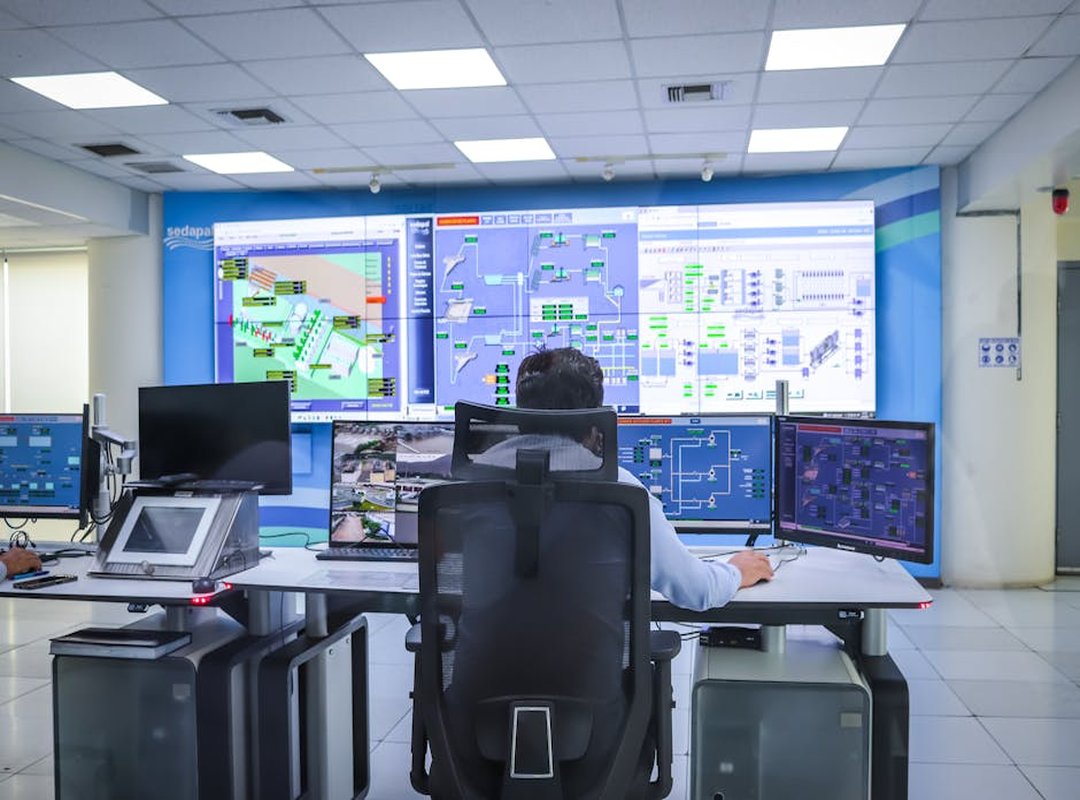
Because you can’t fix what you can’t measure.
AI and machine learning are the brains behind climate modeling. Predicting extreme weather events isn’t just about numbers; it’s about understanding complex systems. These tools help us see the bigger picture, much like the ethics of AI in modern society topic.
Both are about using tech to make smarter decisions.
Adaptation strategies are another arena where tech shines. Early warning systems for natural disasters? A lifesaver.
Smart agriculture? It’s how we feed the future.
Consider heat-resilient urban planning. It’s not just a fancy term; it’s life-saving technology. Think about water management systems that prevent droughts.
These aren’t hypotheticals; they’re real solutions in action.
Access to real-time data and predictive analytics gives policymakers and businesses the tools they need. Decisions aren’t just guesses anymore; they’re informed choices.
Tech’s role in climate change impact is undeniable. It’s not just about surviving (it’s) about thriving in a changing world.
The Road Ahead: Ethical and Economic Considerations
Let’s talk ethics. We can’t just slap tech on climate change and call it a day. Who gets access when it’s all about equity?
It’s not just about developing tech; it’s about who can use it and who can’t. The potential for misuse? Massive.
Like letting a kid loose in a candy store with no rules. These are real concerns.
Then there’s the money side. Investing in climate tech isn’t just a feel-good move. It’s a seismic shift in how markets work.
Job creation? Definitely. But we’re not just talking numbers.
We’re talking about reshuffling entire industries. And here’s a truth bomb: funding these transitions isn’t pocket change. It’s a serious commitment.
Policy matters too. Without international cooperation, we’re just spinning our wheels. Got to build responsible development (yeah, I said it).
Greenwashing? Don’t even get me started. Key assessment is not optional.
It’s a damn necessity.
Looking ahead, responsible innovation isn’t a buzzword. It’s the future. We need interdisciplinary collaboration and a complete approach to really see tech climate change impact.
It’s a long road, but it’s one we need to walk. Fast.
The Path to a Smart, Sustainable Future
Technology isn’t just a tool; it carries the weight of our environmental choices. I see the struggle we all face with the tech climate change impact. It’s not easy to get through the balance between progress and sustainability.
But here’s the truth: informed choices can lead us to a better future. When we understand technology’s dual role, we help ourselves and others to make responsible decisions.
Stay updated on climate tech innovations. Support sustainable projects and engage in conversations that matter. Your voice counts.
I urge you to take action, be proactive, and advocate for solutions that can truly make a difference. The future is in our hands. So, let’s shape it wisely.
 Senior Content Strategist
Uryxara Holt plays a key role in shaping the voice and structure of DTRGS Tech Facts. As a Senior Content Strategist, she ensures that every topic—from innovative gadgets to future predictions—is presented in a clear and engaging way. Her work focuses on aligning content with audience interests while maintaining a strong editorial identity. Uryxara has a talent for transforming complex ideas into compelling narratives that resonate with readers. She collaborates closely with the editorial team to plan, develop, and refine content strategies. Her attention to detail and creative direction help maintain consistency across the platform. Through her work, she ensures the content remains both informative and impactful.
Senior Content Strategist
Uryxara Holt plays a key role in shaping the voice and structure of DTRGS Tech Facts. As a Senior Content Strategist, she ensures that every topic—from innovative gadgets to future predictions—is presented in a clear and engaging way. Her work focuses on aligning content with audience interests while maintaining a strong editorial identity. Uryxara has a talent for transforming complex ideas into compelling narratives that resonate with readers. She collaborates closely with the editorial team to plan, develop, and refine content strategies. Her attention to detail and creative direction help maintain consistency across the platform. Through her work, she ensures the content remains both informative and impactful.