The pace of tech change is dizzying. It’s tough to sift through the noise and find real breakthroughs in Virtual Reality.
What’s the impact of the latest innovations? You need a clear, analytical perspective to make sense of it all.
I’ve been tracking emerging technologies for years. I know the ins and outs of VR’s core mechanics. So you can trust what I say here.
This article breaks down the most significant metaverse technology discoveries shaping the future of VR.
I’ll explore the foundational shifts in hardware, software, and applications that matter.
I aim to provide you with an authoritative overview that cuts through the hype.
If you want to grasp the current cutting edge of VR, you’re in the right place.
Get ready for takeaways that ground you in technical reality.
Beyond Goggles: The New VR Frontier
I’ve been deep in the world of VR, and it’s wild how fast things are changing. Pancake lenses and micro-OLED displays are transforming VR visuals. It’s not just about clarity (it’s) like stepping into a new area. Remember when VR headsets felt like wearing a brick?
Now, varifocal displays adjust like your natural vision, making everything feel more lifelike.
Weight used to be a deal-breaker. Those early models were as clunky as a 1990s cellphone. But now, with lighter designs, VR devices are finally wearable.
You feel free, not bogged down.
And let’s talk about haptic feedback. It’s not just a buzz in the controller anymore (thank goodness). Integrated systems in the headsets and controllers make it real.
It’s like you’re actually touching objects in the metaverse.
Standalone units like Meta Quest 3 and Pico 4 are a game changer. No more cables tying you down. Better processing power means a smoother experience.
It’s liberating.
These advancements tackle old hurdles: comfort and visual quality. We’re finally past the days of nausea-inducing VR. Metaverse technology discoveries are forging a path to a more accessible virtual world.
Who’s ready to dive in?
VR Experiences: The AI Edge
AI is changing VR faster than you can say “metaverse technology discoveries.” It’s not just about games anymore. AI pushes the boundaries of realism by making NPCs act like they have a mind of their own. Ever noticed how some environments feel alive?
That’s AI creating changing, responsive worlds. You’re not just watching; you’re engaging.
Now, let’s talk visual magic. Techniques like foveated rendering and neural graphics do more than just look pretty. They boost visuals while slashing the computational load.
It’s about playing harder, not frying your hardware. Imagine if VR didn’t lag, even in the most intense scenes.
And sound? Oh, it’s no longer a background player. Spatial audio changes the game with directional cues.
It’s not just hearing; it’s experiencing sound that wraps you in the moment.
But what’s a VR world without interaction? Precise hand tracking and natural voice commands break the controller chains. You point, you speak, and the digital world listens.
Suddenly, you’re the conductor of your own VR symphony.
Check out the tie between these advances and Future Smart Cities. It’s not just tech; it’s the fabric of virtual life.
Bridging Realities: VR’s Evolution and Sensory Magic
Inside-out tracking systems have come a long way. I mean, they actually work now. The accuracy and reduced latency are impressive, making VR setups way less painful.
Remember those tangled wires and cameras everywhere? Gone. Now, you just plug and play.
Let’s talk eye-tracking. It’s not just a fancy feature. It’s practically the eyes of your virtual self, enhancing social presence by making avatars’ eye contact feel real.
Pair that with foveated rendering, and you’ve got smoother visuals (it’s magic). These improvements are making “metaverse technology discoveries” even more exciting. If you’re curious about how VR is shaping virtual worlds, check out these metaverse examples.
Full-body tracking is another game-changer. Standalone trackers and camera systems are letting avatars move like us, no more awkward robot dances. It’s all about accuracy and interaction now.
We’re even experimenting with olfactory VR. Yes, you might soon smell your digital world. Thermal feedback’s in the mix too.
And haptic feedback? It’s not just controllers anymore. Bold move into vests and gloves territory, giving tactile sensations across the body.
It’s like VR is slowly invading all senses, blurring virtual and physical realities. Who knew the future would smell so… real?
Expanding Horizons: VR’s New Frontiers
Virtual Reality isn’t just for gamers anymore. It’s reshaping the way we approach specialized training and collaboration. Ever tried a VR simulation for surgery?
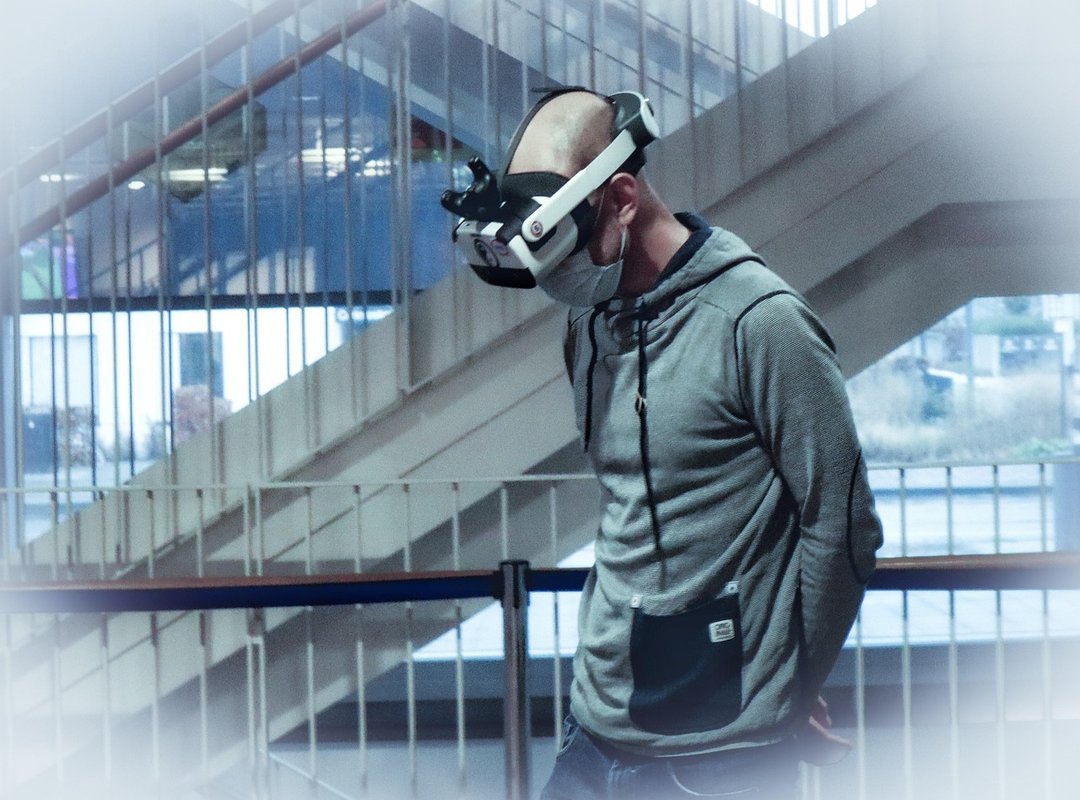
It’s a game-changer. Doctors practice without risking lives. The same goes for industrial and military training.
It’s like getting a trial run. Without the disaster.
In healthcare, VR is easing pain and providing exposure therapy. It’s not just a distraction; it’s a treatment. Imagine using VR for remote diagnostics.
You could be miles away, yet feel like you’re in the same room as your patient. This is where metaverse technology discoveries really shine.
Education? Oh, it’s evolving too. Students can now take virtual field trips.
Think of exploring the Great Wall of China from your classroom. Or visualize complex scientific concepts in 3D. It’s immersive learning at its best.
Social VR platforms are pushing boundaries too. Avatars are more realistic, with emotional expressions. We’re moving towards a world where virtual spaces feel real.
Shared, persistent worlds are no longer just science fiction.
These applications show VR’s value beyond entertainment. It’s about time we see VR as a tool for growth and innovation, not just escapism. What are you waiting for?
Dive in.
Overcoming Challenges: Mainstreaming VR
Ever tried VR and felt like your stomach went on a roller coaster? Yeah, me too. We’re tackling motion sickness with tech like improved refresh rates and predictive algorithms.
It’s a game-changer. But you know what’s even cooler? Accessibility.
Customizable controls and adaptive interfaces are making VR more inclusive. Everyone deserves to dive into this digital world, right?
Cost is another beast. High-fidelity VR gear can burn a hole in your pocket. Lowering prices is key to getting more folks onboard.
The more affordable we make it, the sooner VR becomes a household staple.
And let’s talk content. A strong content space is key. Developers are crafting experiences that are not just entertaining but also diverse.
Different genres, different tastes. It’s like choosing your own adventure.
But we’re not there yet. There are still hurdles. For VR to go mainstream, continuous innovation is key.
It’s a bit like the ongoing Breakthroughs Renewable Energy, constantly evolving and improving.
So, what’s your take? Is VR the future of entertainment or just a fad? The metaverse technology discoveries will tell us soon enough.
We’re on the brink of something big.
Embrace the Future of Immersive Tech
Navigating the space of immersive technology is no small feat. I hope this analysis has the metaverse technology discoveries that define our future. Understanding advancements in hardware, software, and applications is key.
It’s about recognizing how VR will change how we work and connect.
You need to stay informed. These developments will shape your industry and daily life. What will you do next?
Keep your finger on the pulse of these changes. Dive deeper into the innovations that matter. The future is here, and it’s time to engage with it.
 Senior Content Strategist
Uryxara Holt plays a key role in shaping the voice and structure of DTRGS Tech Facts. As a Senior Content Strategist, she ensures that every topic—from innovative gadgets to future predictions—is presented in a clear and engaging way. Her work focuses on aligning content with audience interests while maintaining a strong editorial identity. Uryxara has a talent for transforming complex ideas into compelling narratives that resonate with readers. She collaborates closely with the editorial team to plan, develop, and refine content strategies. Her attention to detail and creative direction help maintain consistency across the platform. Through her work, she ensures the content remains both informative and impactful.
Senior Content Strategist
Uryxara Holt plays a key role in shaping the voice and structure of DTRGS Tech Facts. As a Senior Content Strategist, she ensures that every topic—from innovative gadgets to future predictions—is presented in a clear and engaging way. Her work focuses on aligning content with audience interests while maintaining a strong editorial identity. Uryxara has a talent for transforming complex ideas into compelling narratives that resonate with readers. She collaborates closely with the editorial team to plan, develop, and refine content strategies. Her attention to detail and creative direction help maintain consistency across the platform. Through her work, she ensures the content remains both informative and impactful.