The future of our cities is at stake. Smart cities technology promises solutions to many urban challenges we face today, like traffic congestion and pollution. But how do we get through this complex space? I get it.
It can be overwhelming.
Every day, we’re bombarded with buzzwords and shiny gadgets. Yet, beneath all that noise lies a revolution in how we live, work, and interact with our environment.
This article digs deep into the real implications of smart cities tech. I’ll share takeaways on how this technology impacts our daily lives, from energy management to public safety. You’ll discover not just what’s out there, but how it affects you directly.
Whether you’re a tech enthusiast or just curious about these developments, there’s something here for you. Let’s break down the myths and get to the facts. By the end, you’ll have a clearer picture of what smart cities mean for our everyday lives.
Beyond Connectivity: Intelligent Urban Solutions
When we talk about intelligent urban solutions, what makes them stand out? They go beyond just hooking up sensors and calling it a day. It’s not just about collecting data but using advanced analytics to break down real takeaways.
This tech isn’t sitting idly. Imagine cities learning from their own data (constantly) adapting, predicting issues, and making autonomous decisions. That’s real intelligence.
Smart cities technology tends to focus narrowly on connectivity. Did you ever question if that’s enough? Because I do.
True intelligence integrates systems for proactive problem-solving. It’s about creating environments that improve themselves. Instead of waiting for traffic jams, they reroute traffic in real-time.
Instead of just measuring pollution, they adapt to reduce it.
I mean, why settle for reactive when we can be proactive? Sure, the concept sounds complex, but think of it like upgrading from a flip phone to a smartphone. (Remember those days?) The flip phone was functional, but smartphones revolutionized our interaction. Intelligent urban solutions are the smartphones of city planning.
So, do we dare settle for anything less?
Urban Intelligence: Foundations of the Future
When we talk about smart cities technology, we’re diving into a network of systems that bring cities to life. The Internet of Things (IoT) is like the city’s nervous system. It’s funny thinking about sensors and devices as nerves, but that’s exactly how they work.
They gather real-time data from every corner, every streetlight, and every building. Without IoT, cities would be blind.
Then there’s Artificial Intelligence (AI) and Machine Learning (ML). These two are the brains. They make sense of all that data, power predictive analytics, and recognize patterns.
It’s like giving cities the ability to think and respond automatically. Who wouldn’t want a city that can anticipate traffic jams before they happen?
5G and advanced connectivity are the bloodstream. They keep everything connected at lightning speed. Imagine trying to make a phone call on a dial-up connection (remember that sound?).
Exactly. Cities need fast, reliable communication to function efficiently. Without 5G, data flow would be a nightmare.
Big Data Analytics takes the raw data and processes it into something useful. It’s the urban planner’s dream. Vast datasets inform decisions that shape our living environments.
And finally, digital twins. Virtual replicas of cities used in exploring the metaverse. They let us test and improve everything before actually building.
It’s a futuristic playground for urban development.
Urban Life 2.0: Smart Innovations in Action
Ever sat in traffic and thought, “This could be better?” You’re not alone. Smart cities technology promises to transform our urban experience. Take traffic management. AI-driven systems improve traffic flow, cutting congestion and emissions.
Think of it like Minority Report, but with less Tom Cruise and more fast roads.
They’re not sci-fi anymore. They’re part of an integrated transport system aiming to make city life smoother.
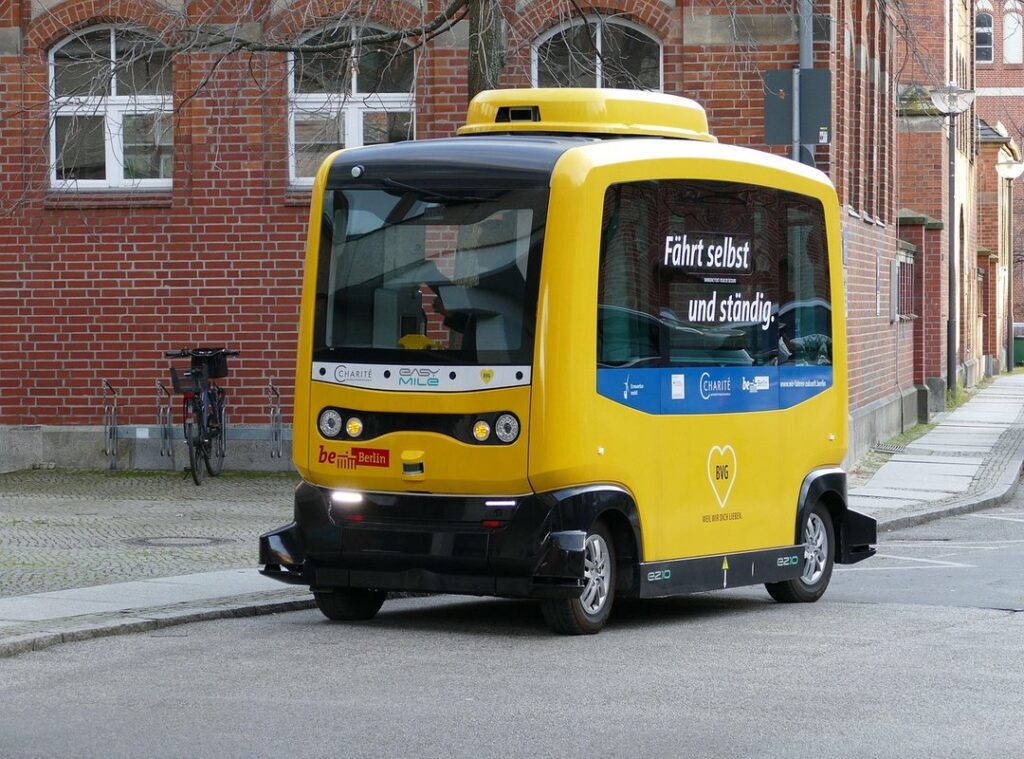
Public transport gets a boost too. Imagine buses that adjust routes based on real-time demand. Autonomous vehicles?
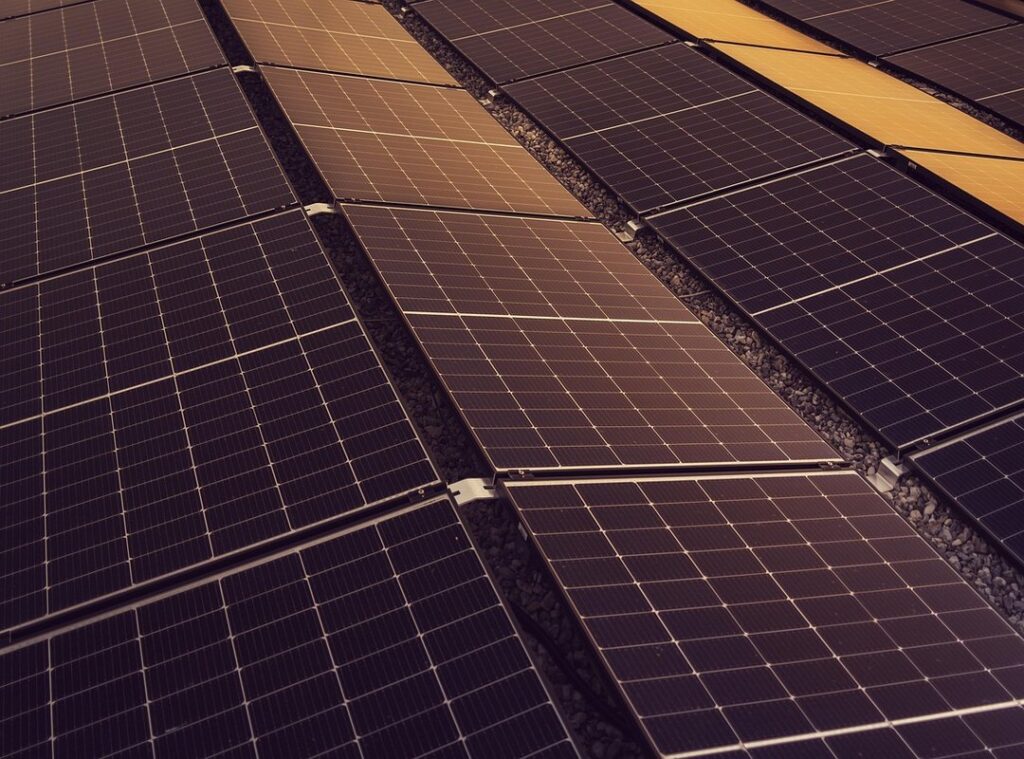
Energy’s another frontier. Smart grids and changing energy management mean buildings aren’t just consuming power; they’re part of a network that uses resources wisely. Water systems also adapt, minimizing waste.
It’s like having a city that thinks.
Safety’s a big deal. Predictive policing and integrated surveillance systems use data to keep crime in check. It’s Big Brother, but for peace of mind.
Rapid emergency response systems use analytics to save precious seconds. In emergencies, every second counts.
And waste management? It gets smart too. Sensor-equipped bins and optimized routes make collection fast and eco-friendly.
Less waste, less hassle.
Environmental monitoring systems track air quality and noise pollution. It’s about making informed decisions for healthier urban living. These systems let us breathe easier, literally.
The benefits? They’re real. Increased efficiency, improved sustainability, and a higher quality of life.
It’s about time our cities caught up with our tech. For more on how smart cities are reshaping urban life, check out the latest developments.
Smart City Hurdles: Tackling the Tangled Web
Smart cities technology sounds like a dream, right? But let’s be real. It’s a maze full of challenges.

The biggest one? Data privacy. You can’t ignore the need for solid cybersecurity. No one wants their data floating around the city like a lost balloon.
We need transparent data governance, making sure citizens trust what’s going on in their own backyard.
Then there’s the money. Smart cities aren’t cheap. You need infrastructure and funding that make sense.
Public-private partnerships can help, but they aren’t magic. It’s an investment gamble some cities might not be willing to take.
Ever tried to get different tech systems to play nice? It’s like herding cats. The challenge of integrating tech from multiple vendors is real.
They all need to talk to each other to create a smooth urban experience.
Don’t forget about the digital divide. Smart cities must be for everyone. Not just the tech-savvy elite.
We can’t create new inequalities while trying to fix old ones. Public acceptance hinges on this. Engage the community or risk backlash.
Ethical questions about surveillance and bias are on everyone’s mind. We can’t ignore them. We need forward-thinking strategies and proactive planning to get through this chaos.
Glimpse into Tomorrow: Urban Evolution
Ever wonder how cities will reshape themselves? Picture this: smart cities technology that adapts to your every need. It’s not just sci-fi anymore.
We’re talking about hyper-personalized services made possible by data-driven takeaways. Imagine stepping out and your city already knows your preferences, adjusting things like temperature and traffic flow in real-time.
Now, think about autonomous systems. Drones delivering your packages without a hitch. Sounds crazy?
It’s happening. Soon, we’ll have self-governing infrastructure operating almost autonomously. The concept of a “conscious city” is closer than you think.
Cities that learn and evolve? It’s buzzing in the tech world.
Don’t forget emerging technologies like quantum computing. They’re not just for labs anymore. They’re integral to future urban planning.
Want to know more? Check out breakthroughs renewable energy shaping our cities today. These changes are just the beginning of a truly adaptive urban world.
Embrace the Future of Urban Living
We can’t ignore it anymore. Smart cities technology isn’t just a buzzword; it’s important for tackling today’s urban challenges. Cities need to be fast, sustainable, and livable. That’s the reality we face.
Proactive, data-driven approaches are the way forward. So, what are you waiting for? Dive into these advancements.
Engage with smart city initiatives in your community. Explore how these solutions can make a difference where you live. This is an opportunity to shape a better future.
I believe the possibilities are endless.
Let’s take action and create the cities we deserve.
 Founder & Chief Technology Editor