
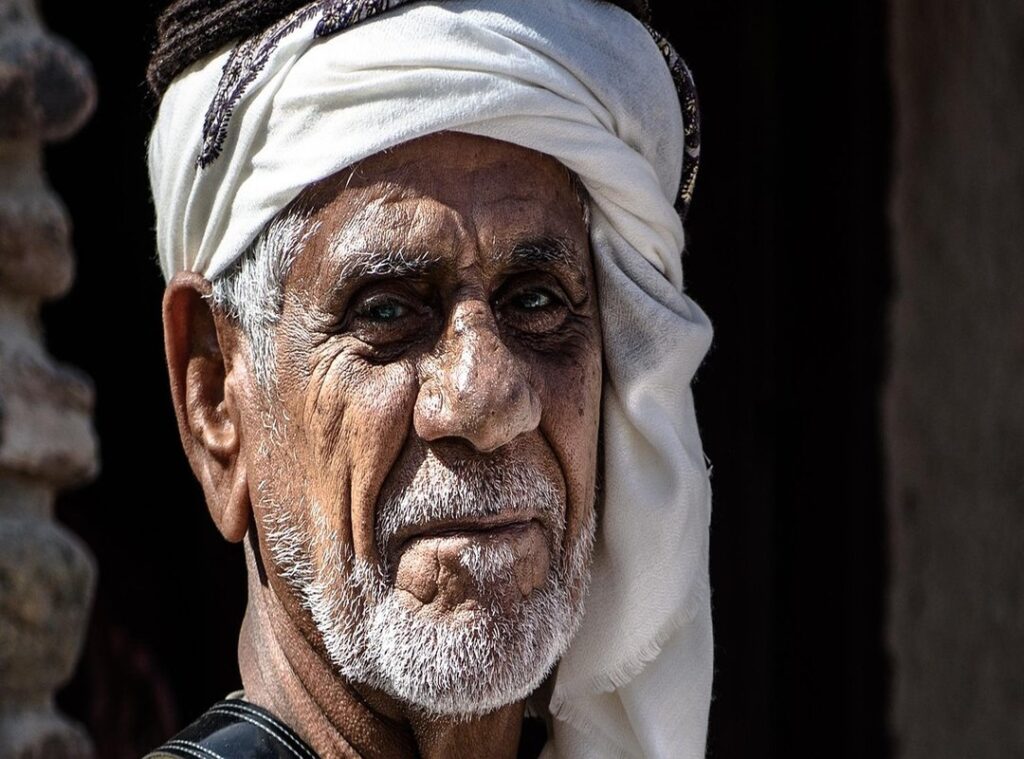
Allahumma Salli Ala Muhammad is one of the most cherished and frequently recited expressions in the Islamic faith. This article aims to provide a complete guide to its meaning, the correct Arabic script, and its profound spiritual importance. You’ll gain a clear understanding of not just the translation, but the deep-seated love and respect the phrase represents.
This expression is a Salawat, a specific prayer or invocation that sends blessings and peace upon the Prophet Muhammad. It’s more than just words; it’s a heartfelt connection to the Prophet and a way to seek his blessings.
The Meaning and Translation of ‘Allahumma Salli Ala Muhammad’
The direct and most common English translation of “Allahumma Salli Ala Muhammad” is: “O Allah, send your blessings upon Muhammad.”
Let’s break it down:
- Allahumma: This means “O Allah.”
- Salli: This word means “send blessings” or “send prayers.” It’s not just a simple prayer; it implies a request for honor, mercy, and an elevated status for the Prophet.
- Ala: This translates to “upon.”
- Muhammad: The name of the Prophet.
Often, people add “wa ‘ala ali Muhammad,” which means “and upon the family of Muhammad.” This extension includes the Prophet’s family in the blessings, showing respect and reverence for them as well.
While the literal translation is straightforward, the deeper meaning is more heartfelt. It’s an expression of love and gratitude towards the Prophet.
When you say allahumasollialamuhammad in Arabic, you’re not just reciting words; you’re making a profound and sincere request.
So, how can you use this in your daily life? Here are a few practical tips:
- In Prayer: Include this phrase in your daily prayers to show respect and seek blessings.
- In Conversation: Use it when talking about the Prophet to express your reverence.
- In Writing: Add it to your written work, especially if you’re discussing Islamic topics.
By incorporating this phrase, you’re not only honoring the Prophet but also deepening your own spiritual connection.
How to Write ‘Allahumma Salli Ala Muhammad’ in Arabic Script
First, here’s the full Arabic script in a large, clear font: اللَّهُمَّ صَلِّ عَلَى مُحَمَّد.
For those who want to share it digitally, you can copy and paste this: اللَّهُمَّ صَلِّ عَلَى مُحَمَّد.
Diacritical marks, or tashkeel, are crucial. They include symbols like the shadda (ّ) and damma (ُ). These marks ensure non-Arabic speakers pronounce the phrase correctly.
The shadda indicates a doubled consonant, while the damma adds a “u” sound.
Understanding these marks is key, especially if you’re learning to read and write in Arabic.
You might also see the common calligraphic symbol (ﷺ) after the Prophet’s name. This stands for “Sallallahu Alayhi Wa Sallam,” which means “Peace and blessings of Allah be upon him.”
To help with pronunciation, here’s a transliteration: Allahumma Salli ‘ala Muhammad.
Remember, practice makes perfect. Keep at it, and you’ll get the hang of allahumasollialamuhammad arabic in no time. allahumasollialamuhammad arabic
The Significance and Virtues of Reciting This Phrase

The Quran, in Surah Al-Ahzab (33:56), commands believers to send blessings upon the Prophet. It’s a simple yet profound act.
Why is this so important? Well, it’s not just about following a command. It’s about the spiritual rewards that come with it.
According to Islamic traditions, or Hadith, for every blessing you send, you receive ten from God. That’s a pretty good return on investment, if you ask me.
Forgiveness of sins, elevation of one’s spiritual rank, and gaining closeness to the Prophet in the afterlife are some of the reported benefits. These aren’t just abstract concepts; they’re real, tangible rewards that can transform your life.
Reciting allahumasollialamuhammad fosters a sense of peace and tranquility. It’s like a daily reminder of the divine message and its central figure. This act creates a stronger connection to your faith and to the Prophet himself.
It’s also a fundamental act of love, respect, and gratitude. When you recite this phrase, you’re not just saying words. You’re expressing deep appreciation for the Prophet’s role in delivering the divine message.
In a world where we often feel disconnected, this practice brings us closer to what truly matters. It’s a way to stay grounded and focused on the values that guide us.
When and How to Use This Beautiful Supplication
Reciting allahumasollialamuhammad is a powerful way to connect with the Prophet Muhammad. It’s most commonly recommended during the five daily prayers, especially in the final sitting, or Tashahhud.
You should also say it whenever you hear, say, or read the Prophet’s name. It’s a sign of respect and a way to honor his memory.
Fridays are another great time. Recite it at the beginning and end of your personal prayers, or du’a, to increase their chances of being accepted.
It’s a versatile form of remembrance, or dhikr, that can be recited anytime, anywhere, without formal ritual. That flexibility makes it easy to incorporate into your daily routine.
For beginners, start simple. Try reciting it ten times in the morning and ten times in the evening. This builds a consistent habit without feeling overwhelming.
I’m not sure about the exact number of times it should be recited, but consistency is key. The more you do it, the more natural it becomes.
Integrating Blessings into Your Daily Life
The article highlights the profound meaning and written form of allahumasollialamuhammad arabic. It emphasizes the immense spiritual benefits that come with its recitation. This simple phrase is a powerful and accessible tool for spiritual growth and expressing devotion.
Start by incorporating this practice into your daily routine, setting small, manageable goals. Even a few moments each day can make a significant difference.
Incorporating this act can bring immense peace and connection to your life.
 Senior Content Strategist
Uryxara Holt plays a key role in shaping the voice and structure of DTRGS Tech Facts. As a Senior Content Strategist, she ensures that every topic—from innovative gadgets to future predictions—is presented in a clear and engaging way. Her work focuses on aligning content with audience interests while maintaining a strong editorial identity. Uryxara has a talent for transforming complex ideas into compelling narratives that resonate with readers. She collaborates closely with the editorial team to plan, develop, and refine content strategies. Her attention to detail and creative direction help maintain consistency across the platform. Through her work, she ensures the content remains both informative and impactful.
Senior Content Strategist
Uryxara Holt plays a key role in shaping the voice and structure of DTRGS Tech Facts. As a Senior Content Strategist, she ensures that every topic—from innovative gadgets to future predictions—is presented in a clear and engaging way. Her work focuses on aligning content with audience interests while maintaining a strong editorial identity. Uryxara has a talent for transforming complex ideas into compelling narratives that resonate with readers. She collaborates closely with the editorial team to plan, develop, and refine content strategies. Her attention to detail and creative direction help maintain consistency across the platform. Through her work, she ensures the content remains both informative and impactful.