I’ve helped thousands of people avoid getting burned in online transactions.
You’re probably here because you want to buy or sell something online but you’re worried about scams. Or maybe you’ve already been burned once and you’re not letting it happen again.
Here’s the reality: the digital marketplace is huge and the opportunities are real. But so are the risks.
Counterfeit goods. Fake payment confirmations. Sellers who disappear after you send money. Buyers who claim they never received what you shipped.
This guide shows you how to buy and sell online without becoming another victim. I’m talking about actual tools and verification methods that work right now.
We’ve tested these platforms and security techniques ourselves. We’ve seen what works and what doesn’t when real money is on the line.
You’ll learn which platforms offer the best protection, how to verify who you’re dealing with, and the exact steps to take before you hand over your cash or your product.
No theory. Just the security-first approach that keeps your money and your goods safe in every transaction.
Understanding ‘Verified Technology Sources’
You know how your mom always told you not to trust strangers on the internet?
Turns out she was onto something.
But here’s where it gets tricky. We all buy stuff online now. We sell our old gadgets. We trade tech gear with people we’ve never met.
So how do you know who to trust?
A verified source isn’t just some website with a fancy logo. It’s actually a whole system built to keep you from getting scammed (or worse, losing your money to someone selling a “gaming laptop” that’s actually a potato in a box).
Let me break down what makes a source actually verified.
Platform-Level Security
This is your first line of defense. I’m talking about marketplaces that have real buyer and seller protection policies. Money-back guarantees. The kind of stuff that means if something goes wrong, you’re not just out of luck.
Think eBay or Amazon. They’re not perfect but they’ve got systems in place.
Payment Gateway Protection
Here’s where things get interesting. Secure payment systems like PayPal Goods & Services or Stripe do more than just move money around. They encrypt your data and offer fraud protection.
Plus they handle disputes. So when that “brand new iPhone” shows up and it’s actually from 2015, you’ve got backup.
Seller & Item Authentication
Some platforms go the extra mile. eBay’s Top Rated Seller badge. StockX’s verification process for sneakers and electronics. These aren’t just participation trophies.
They mean someone checked. Someone verified. Someone put their reputation on the line.
Secure Communication Channels
This one trips people up all the time. A seller asks you to move the conversation to email or text. Seems harmless right?
Wrong.
Keep everything in the platform’s official messaging system. It creates a record. A trail. Proof that you said what you said and they promised what they promised.
When you’re figuring out what are essential digital skills dtrgstechfacts, knowing how to spot verified sources should be at the top of your list.
Look, I get it. Sometimes the best deal is on some random forum or Facebook group. But before you hand over your cash, ask yourself: does this check the boxes?
Because a good deal isn’t a good deal if you never actually get what you paid for.
The Buyer’s Playbook: How to Purchase Safely Online
Everyone tells you to check seller ratings first.
Read the reviews. Look at their history. Make sure they’re legit.
And sure, that sounds smart. But here’s what nobody mentions.
Ratings can be gamed. Reviews can be fake. I’ve seen sellers with perfect 5-star profiles turn out to be complete scams.
So while other guides tell you to trust the numbers, I’m going to show you what actually keeps your money safe when you buy online.
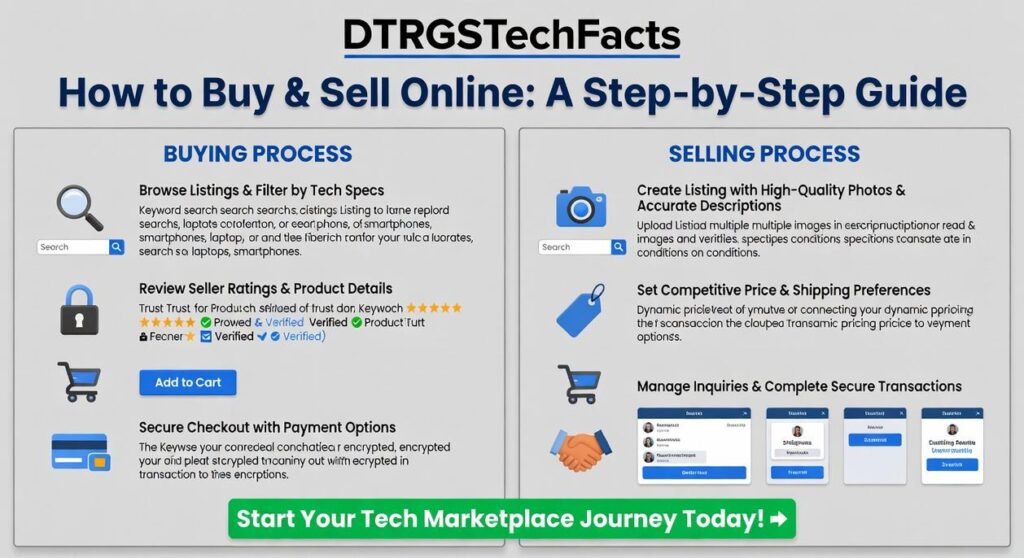
Step 1: Vet the Seller and the Listing
Don’t just glance at the star rating and move on.
Dig into the NEGATIVE reviews specifically. Not the glowing ones. The complaints tell you everything. Look for patterns. If three people mention “item never arrived” in the past month, that’s your answer.
Check if the photos match the description. Run a reverse image search (it takes 10 seconds). Stolen product photos are everywhere.
Vague descriptions? Walk away. If a seller can’t be bothered to write actual details, they won’t be bothered to ship your item either.
Step 2: Prioritize Platforms with Buyer Protection
Here’s where most people mess up.
They assume every shopping site protects them. Wrong.
Before you buy ANYTHING, find the refund policy. Read it. Not the summary. The actual terms. Some platforms only cover you for 30 days. Others won’t help if you used the wrong payment method.
If you can’t find a clear money-back guarantee or dispute process, don’t shop there. Period.
Step 3: Use Secure Payment Methods Exclusively
This is non-negotiable.
Never pay through wire transfer, Zelle, Venmo Friends & Family, or gift cards. I don’t care how good the deal looks. These methods offer ZERO protection.
A seller asks you to pay outside the platform? That’s not a red flag. That’s a siren.
Use a credit card through the official checkout system. Your bank adds another layer of protection if things go sideways. (And sometimes they do.)
Step 4: Document Everything
Save the listing page as a PDF before you buy.
Screenshot your conversations with the seller. Keep your payment receipt. For expensive items, record yourself opening the package when it arrives.
I know this sounds paranoid. But when you need to file a dispute and the seller claims they sent a different item, that unboxing video becomes your best friend.
You can learn more about safe online transactions at how to buy and sell online dtrgstechfacts.
Look, most people won’t do any of this. They’ll click buy, cross their fingers, and hope for the best.
You’re smarter than that.
The Seller’s Playbook: How to Sell Securely and Build Trust

You want to sell your stuff online without getting burned.
I’ve seen too many sellers lose money because they skipped basic protection steps. They trusted the wrong buyer or cut corners on shipping. Then they’re stuck fighting chargebacks with zero proof.
Here’s what actually works.
Create a High-Trust Listing
Start with photos. I mean real photos, not stock images or screenshots from someone else’s listing. Take shots from multiple angles. Show the item in good light.
Now write your description. Be honest about everything. That scratch on the back? Mention it. The missing accessory? Say so upfront.
This does two things. It filters out problem buyers who expect perfection. And it gives you proof if someone claims you misrepresented the item.
Protect Yourself from Payment Scams
Only accept payments through the platform’s system. Period.
When a buyer messages you about “payment issues” and suggests moving off-platform, that’s your red flag. They’ll promise it’s easier or faster. It’s not. It’s a scam.
Wait until the payment clears before you ship anything. I know it feels slow, but you’ll thank yourself later when you’re not chasing down a fraudulent transaction.
Ship Smart to Prevent Claims
Always use tracking. For items over $100, require a signature on delivery.
Ship only to the verified address on the buyer’s account. If they ask you to send it somewhere else (even if they have a good reason), don’t do it. The platform won’t protect you if something goes wrong.
Save your tracking numbers and shipping receipts. You’ll need them if a buyer claims the item never arrived.
Communicate Professionally
Answer questions fast. Keep your tone friendly but professional.
Here’s the part most sellers miss. Keep everything in the platform’s messaging system. Those screenshots of your conversation become your evidence if there’s a dispute.
When you know how to buy and sell online dtrgstechfacts, you realize that documentation matters more than speed. A paper trail protects you when things go sideways.
Look, selling online isn’t complicated. But it does require you to follow the rules that keep you safe. Skip these steps and you’re gambling with your money.
Recommended Platforms & Tools for Secure Transactions
You want to buy or sell something online without getting burned.
I don’t blame you. The internet’s full of scams that look legitimate until your money disappears.
Some people say you should avoid online transactions altogether. Stick to in-person deals only. They argue that any digital platform puts you at risk.
But that’s not realistic anymore.
Most of us need to buy and sell online. The question isn’t whether to do it. It’s how to do it safely.
Let me walk you through the platforms that actually protect you.
For general stuff, eBay works. Their Money Back Guarantee covers you if something goes wrong. Plus, you can check seller feedback before you commit. (It’s not perfect, but it’s something.)
For authenticated items, platforms like StockX and The RealReal verify products before shipping. Real people inspect sneakers and luxury goods to confirm they’re legit. You pay a bit more, but you’re not gambling on a fake.
For local deals, Facebook Marketplace can work if you’re careful. Meet in public places. Police station lobbies are ideal. Inspect everything before you hand over cash.
Here’s what matters most though.
Your payment method. PayPal’s Goods & Services option protects both sides of the transaction. Never use Friends & Family for purchases. That’s how people lose money with zero recourse.
If you’re new to online transactions, check out this guide in programming dtrgstechfacts for more technical background on how to buy and sell online dtrgstechfacts.
The right platform makes all the difference between a smooth deal and a headache you’ll regret for months.
Transact with Certainty
You now have what you need to buy and sell online safely.
I know the fear of getting scammed holds people back. You see the deals and opportunities but wonder if they’re real or just traps waiting to happen.
That fear keeps you from accessing what the digital marketplace offers.
Here’s what changes that: Use verified platforms. Stick to protected payment methods. Do your homework as both a buyer and seller.
These steps create a shield against fraud.
I’ve seen too many people skip the basics and pay for it later. The good news is that protection doesn’t require expert knowledge. It just requires consistency.
How to buy and sell online dtrgstechfacts comes down to following a security checklist every single time. No exceptions.
Your next transaction should include every step we covered. Check the platform’s verification. Confirm the payment protection. Research the other party. Document everything.
Safe transactions aren’t complicated. They’re just deliberate.
Apply this checklist to your next deal and you’ll see the difference.
 Founder & Chief Technology Editor