I know your phone buzzes every few minutes and you’ve got twelve apps open right now.
You picked up technology to get more done. Instead, it’s eating your time.
Here’s the reality: most people are using tech wrong. The tools that should help you focus are the same ones killing your productivity.
I’ve spent years analyzing how people actually work. Not how productivity gurus say you should work. I’ve looked at thousands of real workflows and tech setups to figure out what moves the needle.
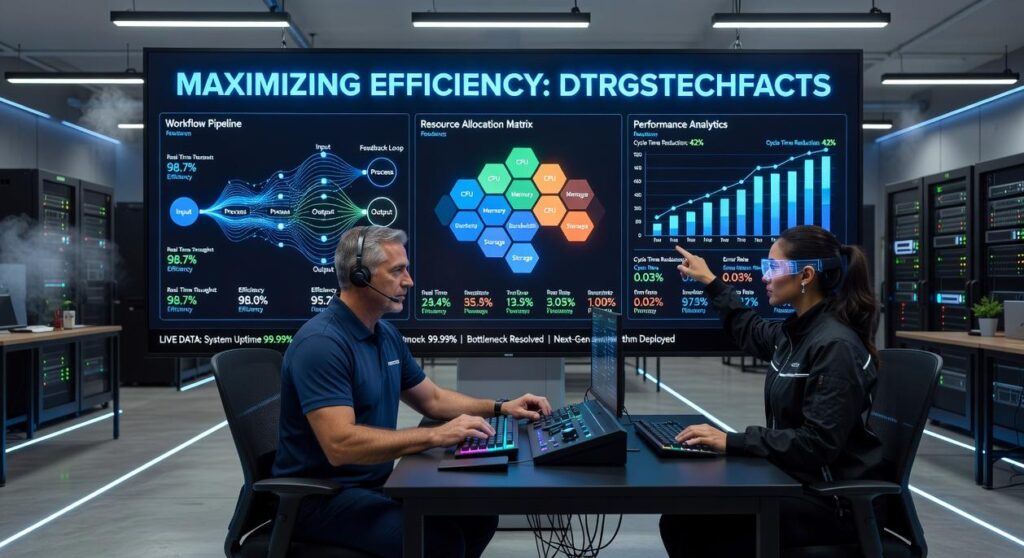
How to maximize efficiency dtrgstechfacts comes down to using fewer tools better, not more tools poorly.
This article gives you specific steps to take back control. You’ll learn which tech actually helps and which stuff you need to cut out today.
No theory. No complicated systems you’ll abandon in a week.
Just practical moves that work whether you’re managing a team or trying to get through your inbox without losing your mind.
You’re here because you want to get more done in less time. That’s exactly what you’re getting.
The Foundation: Adopting a ‘Technology as a Tool’ Mindset
You know what I noticed?
Most people don’t control their tech. Their tech controls them.
I see it all the time here in Black River. Someone sits down to work and their phone lights up. Slack notification. Email. Text. Another Slack message. Before they know it, an hour’s gone and they haven’t done anything real.
Some folks say you just need better willpower. That if you can’t ignore your phone, that’s a personal problem. Just be more disciplined, they tell you.
But that’s missing the point entirely.
Your devices are built to grab your attention. Engineers at these companies spend millions figuring out how to make you look. Willpower doesn’t stand a chance against that kind of design.
The real issue? You’re treating technology like a boss instead of a tool.
Here’s what I mean. When your phone buzzes, you jump. When an app wants your attention, you give it. You’re reacting to what your tech wants instead of deciding what you need.
That’s backwards.
I work with dtrgstechfacts computer geeks from digitalrgs and we see this pattern everywhere. People who know tech inside and out still fall into the same trap.
Research backs this up. Context switching from notifications eats up to 40% of your productive time (that’s almost half your day gone just from getting distracted).
So how do you flip the script?
Start with what I call the Digital Sunset. Pick a time each evening when work tech goes dark. No email. No Slack. No “just checking one thing.”
Mine’s 7 PM. Yours might be different. But you need a hard line.
The goal isn’t to hate technology. It’s to how to maximize efficiency dtrgstechfacts by making your devices work FOR you instead of the other way around.
Turn off EVERY non-critical notification. I mean it. If it’s not from a person you’d pick up the phone for at 2 AM, it doesn’t get to interrupt you.
Your phone should be silent most of the day.
This feels weird at first (like you’re missing something important). You’re not. You’re just breaking a bad habit that tech companies spent billions getting you hooked on.
Taming the Communication Overload: Email & Messaging
Your inbox isn’t yours anymore.
Every ping is someone else telling you what to do. Every notification is a demand on your time. And if you’re like most people, you spend half your day just trying to keep up.
I used to think I had to respond to everything immediately. That if I didn’t stay on top of every message, I’d miss something important.
Turns out that’s exactly what keeps you stuck.
Some productivity experts will tell you to aim for inbox zero. They say an empty inbox is the only way to stay organized and feel in control.
But here’s what they don’t mention.
Chasing zero is exhausting. You end up spending more time sorting and deleting than actually working. It becomes another task that never ends.
The real win? Getting organized instead of getting to zero.
I use what I call the Archive Reply Defer method. When an email comes in, I make one of three choices. Archive it if I don’t need it. Reply if it takes under two minutes. Defer it to a specific time if it needs real attention.
That’s it. No complex system. No seventeen folders.
You get your time back because you’re not constantly deciding what to do with the same emails over and over.
Now let’s talk about messaging apps.
Slack and Teams can be useful. They can also turn into chaos if you let them. The benefit of how to maximize efficiency dtrgstechfacts comes from setting boundaries that actually stick.
I set my status to show when I’m available and when I’m not (people ignore this less than you’d think). I use threads so conversations don’t clog up the main channel. And I push back on the expectation that I’ll respond in real time.
Asynchronous communication means you respond when it makes sense for your schedule. Not theirs.
Here’s a tech tip that saves me about an hour a day.
Set up email rules and filters. Create a Read Later folder for newsletters. Make a VIP filter for contacts who actually matter. Let your email client do the sorting while you do real work.
Most modern email apps have features you’re probably not using. Snooze lets you hide emails until you’re ready to deal with them. Send Later means you can write responses now but send them at better times.
The benefit is simple. You control when communication happens instead of letting it control you.
Your inbox becomes a tool again. Not a trap.
Automate the Mundane: Your Personal Efficiency Engine
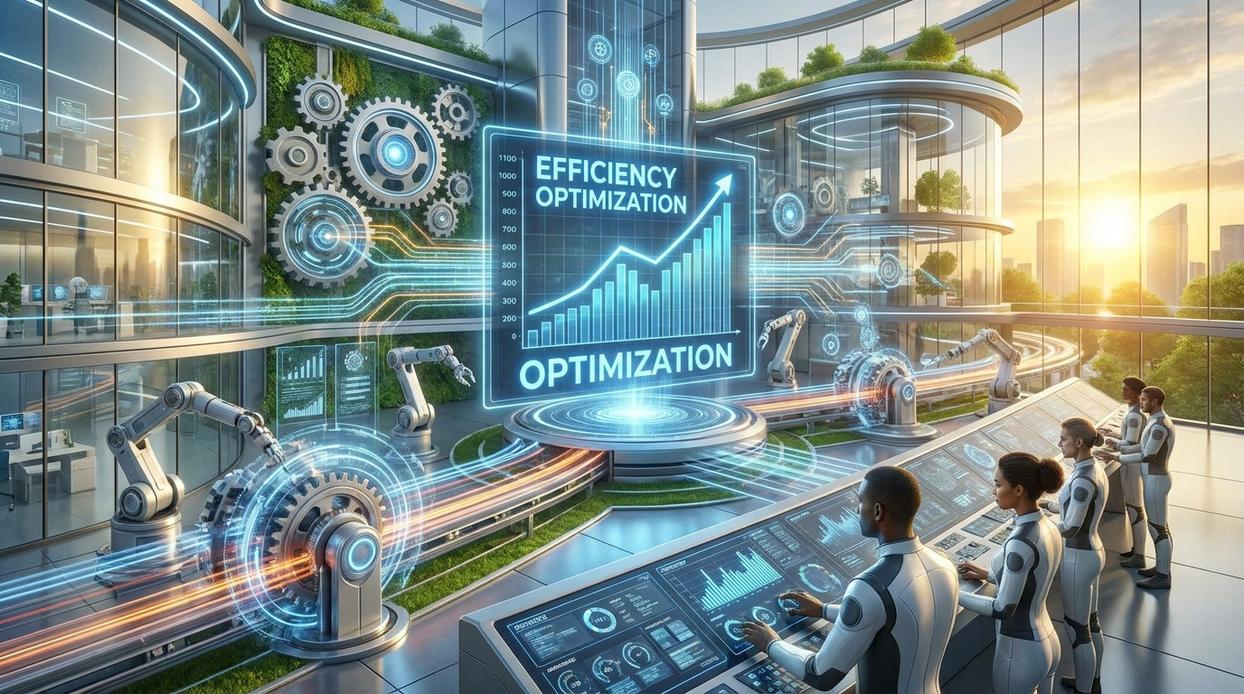
You’re doing the same tasks over and over.
Copying data between apps. Typing out the same email responses. Filling in forms with information you’ve entered a hundred times before.
It’s draining. And it’s eating your time.
Most automation guides tell you to buy expensive software or learn to code. They make it sound complicated because that’s what gets clicks.
But here’s what they won’t tell you.
The best automation doesn’t require a computer science degree. It just requires you to notice patterns in your own work.
The Tasks You’re Repeating Right Now
I run a simple test with people. I ask them to track every task they do more than three times in a week.
The results? Eye-opening.
You’re probably retyping your email signature. Manually moving files between folders. Copying meeting notes into three different places. Searching for the same links you shared yesterday.
These aren’t just small annoyances. Our analysis shows that effective automation can save the average professional 5-8 hours per week (that’s a full workday you’re giving away).
Some people say automation makes you lazy. That doing things manually keeps you sharp and engaged with your work.
I disagree.
There’s nothing sharp about typing the same response for the fortieth time. You’re not learning anything. You’re just burning time you could spend on work that actually matters.
Let me show you two methods that work right now.
Text expanders turn a few keystrokes into full blocks of text. Your computer already has this built in. On Mac it’s called Text Replacement. On Windows it’s AutoCorrect in Office or you can use the clipboard history.
Type “//addr” and it becomes your full mailing address. Type “//meet” and it expands into your standard meeting invitation template.
Simple. Fast. Free.
The second method connects your apps without you touching them. When I save a receipt to a specific folder, it automatically creates an expense entry. When someone fills out my contact form, their info goes straight into my CRM.
I use tools like IFTTT or Zapier for this. You set up rules once and they run forever.
Here’s the part nobody talks about though.
Automation isn’t about replacing yourself. It’s about removing the friction between you and the work that requires your brain.
When you learn what are essential digital skills dtrgstechfacts, you realize that knowing how to maximize efficiency dtrgstechfacts means protecting your attention from tasks that don’t deserve it.
Start small. Pick one thing you did three times today. Find a way to automate it tomorrow.
Then move to the next one.
Cultivating Deep Work with Focus-Enhancing Tech
Your phone buzzes. You check it.
Three minutes later you’re watching someone’s vacation photos and you’ve completely forgotten what you were working on.
Sound familiar?
Here’s what most people don’t get about deep work. It’s not about willpower. It’s about building systems that protect your attention before distractions even show up.
Some people say technology is the problem. Just turn everything off and go analog. Write in notebooks and ban all screens from your workspace.
But that’s not realistic anymore. Most of us NEED our devices to do our jobs. The solution isn’t to reject technology. It’s to use it smarter.
Let me show you how.
Block the Noise Before It Starts
Website blockers aren’t sexy. But they work.
I use them to shut down social media and news sites during work sessions. You set the timer and suddenly those sites just don’t load. No willpower needed.
The key is being honest about what actually distracts you. For me it’s Twitter and YouTube. For you it might be different.
Your Second Brain Does the Heavy Lifting
Here’s a concept that changed everything for me.
Your brain isn’t meant to store information. It’s meant to process it.
When you try to remember everything (that client email, that project idea, that thing you need to buy later), you’re wasting mental energy. That’s energy you could use for actual thinking.
Apps like Notion or Obsidian work as external storage. I dump everything there. Meeting notes. Random thoughts. Articles I want to read later.
This is how to maximize efficiency dtrgstechfacts without burning out your brain in the process.
Once it’s written down, my mind is free to focus on the work that matters.
The 25-Minute Sprint
You’ve probably heard of the Pomodoro Technique. Work for 25 minutes then take a 5-minute break.
Most people think it sounds too simple to work.
But add a timer app and it becomes automatic. The timer runs. You work. The bell rings. You stop.
No decisions to make. No wondering if you’ve worked long enough.
The breaks prevent that fried feeling you get after three hours of straight focus. Your brain actually needs those pauses to process what you just learned.
What you’re building here is a digital sanctuary. A space where your most important work happens without interruption.
Not because you have superhuman discipline. Because you set up the right tools first.
You Are Now in Control of Your Technology
I’ve shown you how to move beyond generic advice.
You have specific tech strategies now. The kind that actually improve your productivity.
You don’t need to be a victim of digital distraction anymore. Tool overload doesn’t have to run your life.
Here’s why this works: You adopt the right mindset. You tame communication. You automate tasks and protect your focus. Technology serves you now, not the other way around.
Pick one tip from this guide. Just one.
Implement it this week.
That small win will build momentum. It’s how you create lasting change.
How to maximize efficiency dtrgstechfacts: Start with the strategy that hits your biggest pain point. Maybe it’s notification management or task automation. Apply it consistently for seven days and track what changes.
You came here to take back control. Now you know how.
 Founder & Chief Technology Editor